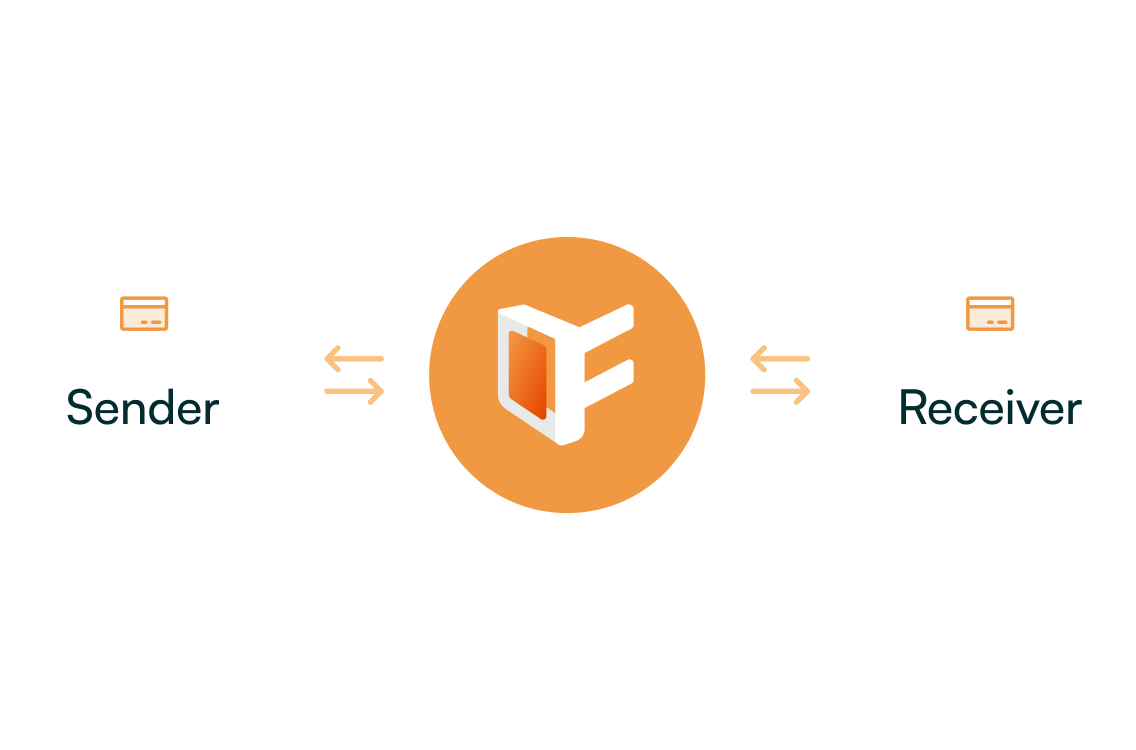
Move money between cards instantly - no bank account, no SWIFT.
What is Card to Card by Fenige?
Card to Card is Fenige’s core money-transfer rail:
funds are debited from one payment card and
credited to another payment card,
with Fenige handling the entire flow between issuers via card schemes. Key characteristics:
No bank account number required
The sender only needs the recipient’s card details (typically the card number).
Global scope
Transfers can reach cards issued worldwide, using international card-network rails (Visa Direct / Mastercard Send).
Cross-scheme
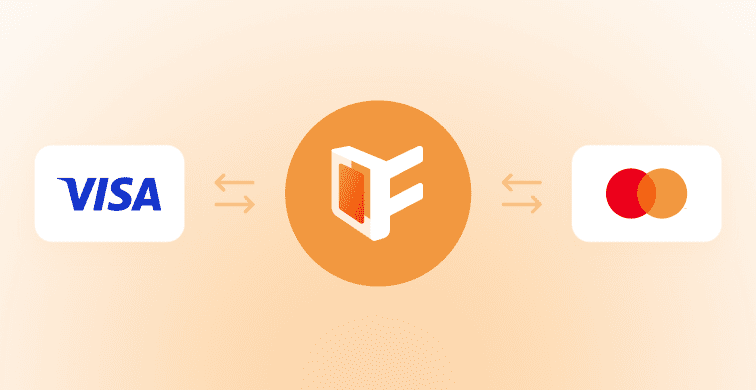
Fenige supports not just Visa-to-Visa or Mastercard-to-Mastercard transfers, but also Visa-to-Mastercard and Mastercard-to-Visa.
Multiple currencies
Card-to-card is part of Fenige’s money-transfer / P2P stack that supports transfers in several currencies, not just domestic.
Fenige runs this on its own PCI-DSS-certified processing platform as an EU-licensed National Payment Institution, supervised by KNF.
Where Card to Card fits in your stack
Use online Card to Card transfer when you want to build:
P2P Money-Transfer Apps
Users can send money from card to card online to friends or family using only card numbers.
Remittance and payout-style services
move funds to cards in other countries without the overhead of a traditional MTO stack.
Embedded money transfers in fintech apps
e.g. instant repayments, micro-loans, savings apps sending money back to the user’s card.
You keep full control over UX and use cases; Fenige provides the API, routing, scheme connectivity and settlement.
Key benefits
Instant or near-real-time transfers
Fenige positions Card-to-Card as a fast money-transfer technology where card to card transfer instantly delivers transactions or completes them within a few seconds - far quicker than most cross-border account transfers.
No IBAN or SWIFT required
Senders don’t need to know the recipient’s bank account number. A valid card and amount are usually enough to complete the transfer, which makes the flow much simpler for retail users.
24/7 availability
Card-network based transfers aren’t tied to branch hours or local clearing windows; Card-to-Card is available around the clock, including weekends and holidays.
International reach & multiple currencies
Because transfers are handled via global card organizations, they can reach cards in many markets and support multiple currencies - attractive for travellers, expats and international platforms.
Competitive costs vs. traditional transfers
Fenige’s materials highlight that card-to-card fees are often lower than legacy bank transfers, especially for international transactions, while keeping the UX much simpler.
Security & compliance by design
Fenige operates as a National Payment Institution, leveraging PCI DSS-certified infrastructure and 3-D Secure-backed security for all relevant flows, ensuring that every money transfer card to card runs through regulated card networks.
Fenige operates as a National Payment Institution, uses PCI DSS-certified infrastructure and 3-D Secure-backed security for relevant flows, with all transfers running through regulated card networks.
How Card to Card works
1
Sender initiates a transfer in your app
Your frontend collects sender and recipient details, including the sender’s funding card and the recipient’s card number.
2
Your backend calls Fenige’s Money Transfers API
You submit a Card to Card request with transaction amount, currency, sender/receiver data, and any required metadata. Fenige’s Send Money hub receives the request.
3
Fenige processes through card schemes
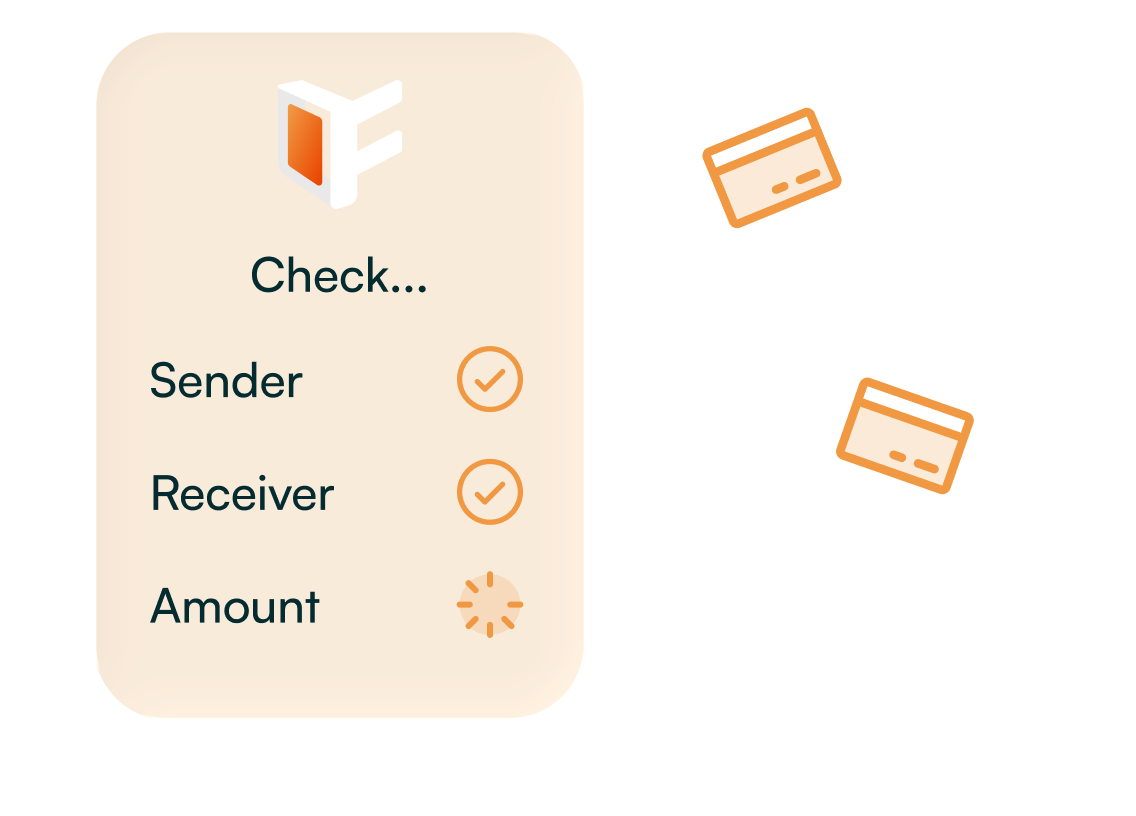
Fenige applies configured risk and compliance checks, and passes the funding transaction on sender’s card and the payment transaction to receiver’s card into the appropriate card networks (Visa and/or Mastercard).
4
Funds are credited to the recipient’s card
The recipient’s issuer credits the card account. You receive a clear status and reference; additional API methods let you check detailed status and transaction history later.
FAQ
What is an online card to card money transfer?
An online card to card money transfer allows you to send funds directly from one card to another instantly, securely, and without needing a bank account.
How can I move money from card to card?
You can move money from card to card using Fenige’s secure platform, which processes transactions through regulated card networks worldwide.
Is it possible to send card to card across different countries?
Yes, you can send card to card internationally, reaching cards issued in different countries with fast processing times.
Can I transfer money card to card online instantly?
Absolutely. Fenige enables you to transfer money card to card online in seconds, making it faster than most traditional bank transfers.
What are the benefits of using card-to-card transfers?
Card to card transfers offer speed, security, and convenience, allowing users to send money without needing cash or account details.
Ready to build instant card-to-card money transfers into your product?