



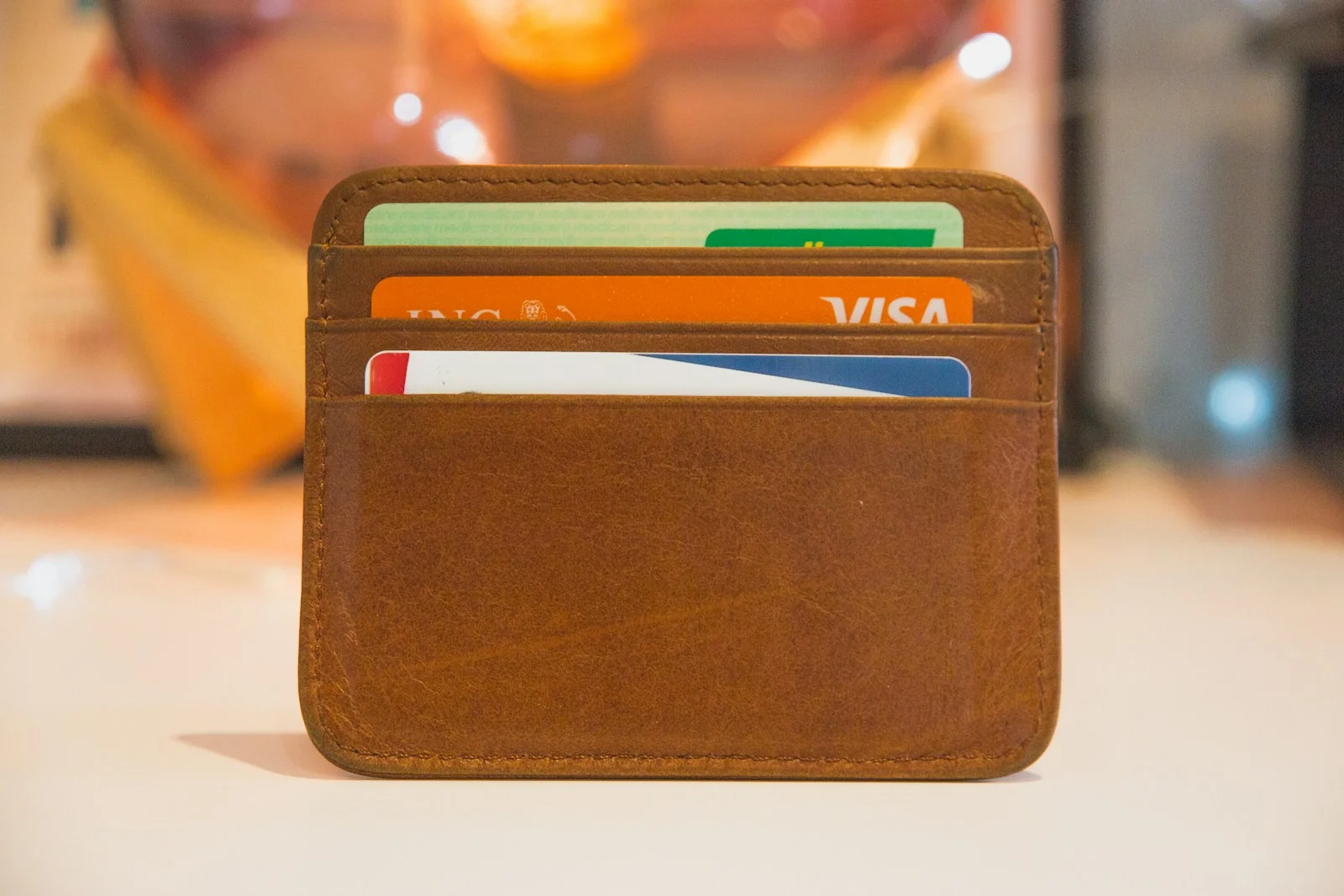
Visa and Mastercard are the two most widely recognized card networks in the world. Both are globally accepted, secure, and integrated with modern payment solutions. For most consumers, the difference between them seems minimal – just a logo or card color. In reality, however, there are significant distinctions between these systems in terms of infrastructure, transaction handling, and how they interact with payment platforms. This article explores those differences from both the user’s and the payment operator’s point of view.
Technical foundations – how do Visa and Mastercard actually work?
Visa and Mastercard are not banks; they are payment networks that facilitate transactions between the cardholder’s bank and the merchant’s bank (acquirer). Every card transaction—whether debit, credit, or prepaid – is routed through one of these networks, which handles authorization, settlement, and security.
While the overall architecture is similar, Visa and Mastercard may use different authorization protocols, risk assessment methods, and data processing rules. In practice, this means that fintechs, banks, and payment gateways often need to develop separate integrations or error-handling processes depending on the network used.
What are electronic payments?
For payment infrastructure providers like Fenige, this means adapting to each network’s unique requirements – whether it’s for Card-to-Card Transfers, automated Payouts, refund processing, or chargebacks.
Global acceptance and currency support – where does Visa or Mastercard dominate?
Both networks operate worldwide, but their market share and regional strength vary. Visa holds a stronger presence in the U.S. and many Asian markets, while Mastercard tends to lead in Europe and parts of Latin America. In practice, the differences in acceptance are minimal – most physical terminals and online stores support both.
There are, however, subtle differences in currency conversion fees and foreign transaction rates. Mastercard is sometimes more favorable for less common currencies, and certain banks offer better FX rates for Mastercard cards. Visa, on the other hand, is often included in partnerships with travel and global e-commerce platforms.
From a user’s perspective, especially for those who travel or shop internationally, the card network can impact the total transaction cost, authorization time, and customer support availability.
Loyalty programs, cashback, and user benefits
Mastercard is well-known in Poland and other markets for programs like Priceless Specials, which offer discounts, vouchers, and cashback from partner merchants. Visa, on the other hand, focuses more on travel perks, such as hotel discounts, airport lounge access (for premium cards), and promotional offers with online retailers.
It’s important to note that benefits often depend more on the issuing bank than the network itself. Banks determine whether the card includes travel insurance, cashback, or loyalty points. Visa and Mastercard provide the infrastructure—financial institutions customize the product.
Innovations in Finance: Payouts on Card from Fenige
For users, this means that choosing a card should involve comparing specific offers from banks, not just focusing on the network brand.
Collaboration with payment platforms – how do the networks differ technically?
From the perspective of payment platforms and processors, Visa and Mastercard differ in several areas:
- transaction authorization and settlement time,
- refund and dispute policies (including differences in chargeback processing),
- card support in Card-to-Card, Payout, or Subscription Billing models,
- access to APIs, developer tools, and support documentation.
For payment providers like Fenige, it’s essential to ensure full compatibility with both networks, regardless of whether a customer is using a card to make a purchase, receive funds, or initiate a peer-to-peer transfer.
Each network has its own standards for tokenization, 3D Secure authentication, identity verification, and fraud prevention. While these are invisible to the end user, they’re critical to the functionality and reliability of modern payment systems.
Visa or Mastercard – which one is better? It depends on context
For the average consumer, Visa and Mastercard provide similar everyday functionality. Both are secure, fast, and widely accepted. Small differences in exchange rates, loyalty perks, or app integration may matter in specific use cases, but for most users, they’re negligible.
From the perspective of a payment platform, bank, or fintech, however, understanding and supporting both networks is essential for flexibility, compliance, and international reach.
That’s why modern payment platforms – like those developed by Fenige – support both Visa and Mastercard, ensuring smooth, secure, and efficient payment flows, whether you’re processing transactions, issuing payouts, or building a cross-border e-commerce experience.
Transfer from card to account – how to make it?