



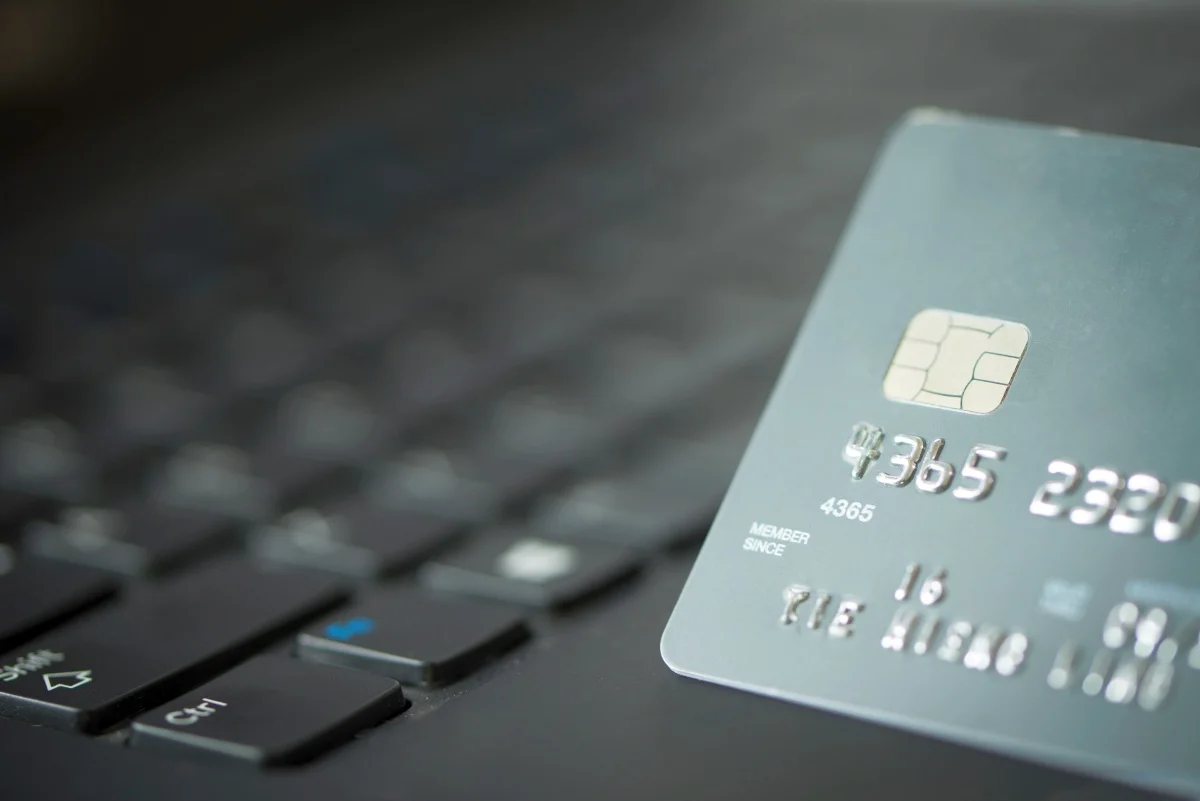
Online payments have become an integral part of our lives. Have you ever wondered which payment methods are the most popular and convenient? Discover various options that will make your online shopping easier and ensure the security of your transactions.
What are the most popular online payment methods?
The three main categories of online payments are credit and debit cards, electronic wallets, and online bank transfers. Each of these has unique features catering to different user needs. The choice of method often depends on convenience, security, and transaction speed – key aspects for e-consumers.
Credit and Debit Cards
Credit and debit cards are one of the oldest but still very popular online payment methods. The payment process requires entering card details on the payment page, such as the card number, expiration date, and CVV code. To ensure security, SSL encryption, 3D Secure authorization (which requires additional confirmation via SMS code or banking app), and the option to create virtual credit cards are used to minimize the risk of data theft.
Electronic Wallets
Electronic wallets, known as e-wallets, are gaining increasing popularity. Systems like PayPal, Apple Pay, and Google Pay offer numerous conveniences – they store payment information in one secure place, allow one-click payments, and eliminate the need to repeatedly enter card details. Additionally, they provide a high level of security with features such as two-factor authentication.
What is a proof of payment? How to download a payment confirmation?
Online Bank Transfers
Online bank transfers, especially in the form of instant internet transfers, are extremely popular among Polish internet users. Systems such as pay-by-link allow payments to be made without logging into online banking.
It is worth mentioning the growing popularity of the BLIK system, chosen by as many as 71% of respondents in payment preference surveys. BLIK enables fast payments using a code generated in the banking app, combining convenience and security.
What are the modern forms of online payments?
In addition to traditional methods, innovative payment solutions are becoming increasingly popular. The two main categories are mobile payments and cryptocurrency payments, which address users’ growing expectations for transaction speed, convenience, and security.
Mobile Payments
Mobile payments have revolutionized the e-commerce world. Systems such as BLIK, Apple Pay, and Google Pay allow transactions to be made using a smartphone, eliminating the need to carry physical cards or cash. They also provide advanced encryption and authentication methods, such as fingerprint or facial recognition, and enable fast transfers between users.
Cryptocurrency Payments
Cryptocurrency payments are an innovative form of online transactions, offering a unique combination of anonymity, security, and global reach. Their main advantages include decentralization, enabling direct transactions between users, lower transaction fees, and faster transfers, especially for international payments. However, it is important to note the high volatility of cryptocurrency exchange rates, which can be a challenge for both merchants and buyers.
Are online payments secure?
The security of online payments is a crucial aspect of e-commerce, significantly impacting customer trust and the success of online transactions. With the increasing number of cyberattacks, a range of advanced security technologies and procedures are used:
- SSL/TLS encryption – protects data transmitted between the user’s browser and the store’s server
- Two-factor authentication (2FA) – makes unauthorized access to user accounts more difficult
- Real-time transaction monitoring systems – detect suspicious activities and block potential fraud attempts
Fenige Solution – Card-to-Card Transfer and Seamless Financial Mobility
Thanks to these solutions, online payments are becoming increasingly secure, providing users with peace of mind during online shopping.
How are online transactions secured?
Online transaction security is a multi-layered protection system that minimizes risks associated with internet payments. It consists of several key elements:
- 3D Secure Protocol – used for card payments, requiring additional identity verification, significantly increasing transaction security.
- Card Data Tokenization – replaces sensitive information with a unique token, protecting it from being intercepted by hackers.
- Risk Analysis Systems – use advanced algorithms to assess each transaction for potential fraud.
Risk analysis systems take into account various factors, such as purchase history, IP location, and user behavior patterns.
If suspicious activity is detected, the transaction may be halted until additional verification is completed. It is worth emphasizing that the effectiveness of these security measures largely depends on users’ awareness and caution. Therefore, education on safe online practices is extremely important.
How is personal data secured during payments?
The protection of personal data in the context of online payments is not only a security issue but also a legal obligation arising from regulations such as GDPR. Online stores and payment service providers must implement appropriate technical and organizational measures to ensure the confidentiality, integrity, and availability of their customers’ personal data.
Key elements of personal data protection include:
- Data encryption at rest and during transmission
- Regular security system updates
- Strict access control to data
- Data minimization principle – collecting only necessary information
- Ensuring transparency in data processing
Customers should be clearly informed about what data is collected, for what purpose, and how long it will be stored. It is worth noting that many modern payment methods, such as electronic wallets and mobile payment systems, offer additional layers of personal data protection, minimizing the amount of information shared with merchants.
Fenige's Card2Card Transfer Solution Unleashes Seamless Financial Mobility