



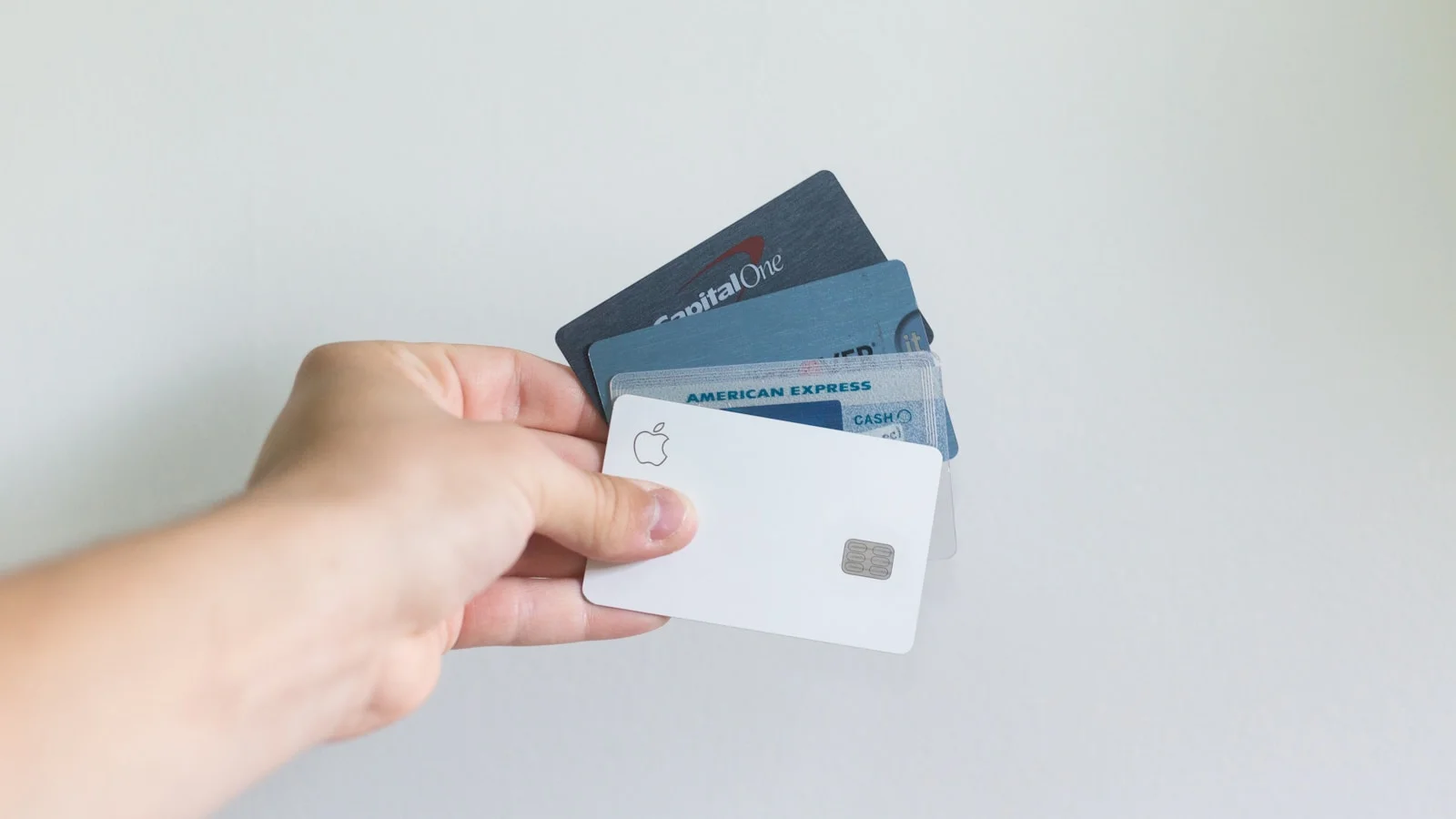
Payment cards have become an essential tool for managing personal finances – whether in physical stores, online checkouts, mobile apps, or when traveling abroad. For many users, the difference between a Visa and a Mastercard seems purely cosmetic. In reality, however, these networks operate distinct systems, offer varying security layers, and provide different benefits. So, which card should you choose for your daily expenses and digital purchases?
How Visa and Mastercard work – similarities that blur the differences
Visa and Mastercard are both global payment networks. They don’t issue cards directly – instead, they partner with banks and fintechs to process transactions. This means your card is technically issued by your bank, while the payment system behind it is run by Visa or Mastercard.
Both cards support contactless payments, ATM withdrawals, e-commerce transactions, mobile payments (like Apple Pay, Google Pay, and BLIK), and international use. Acceptance is nearly universal worldwide, with only minor geographic differences.
At first glance, neither card seems superior. But the distinctions become clear when we examine value-added features, consumer protection levels, and user perks.
Pay by Bank: everything you need to know about this payment method
Security and fraud protection – which network shields you better?
Both Visa and Mastercard offer extensive fraud protection and security mechanisms, but they differ slightly in how they approach authentication. Visa uses Visa Secure, while Mastercard offers Identity Check (formerly SecureCode). Both systems rely on the 3D Secure protocol, requiring additional verification such as SMS codes or app approvals.
In practice, the security level often depends more on your bank than on the network itself. However, it’s important to evaluate which card in your bank offers better protection for online purchases, chargebacks, and fraud response.
It’s also worth noting that fintech providers (such as Fenige) support both Visa and Mastercard in their Card-to-Card transfers and refund solutions, which is essential for marketplaces, P2P transactions, and instant payouts.
Online shopping, foreign transactions, and currency conversion
If you frequently shop on international websites or travel abroad, consider how Visa and Mastercard handle foreign currency transactions and conversion rates. Both apply their own exchange rates, which may differ slightly. In some cases, Mastercard offers better rates, but the final cost depends on your bank’s fees and timing.
Some banks offer exclusive perks tied to one network: Mastercard users may benefit from the Priceless Specials program, while Visa often partners with travel brands or e-commerce platforms for discounts and travel insurance.
For most users, the daily difference is negligible. But if you’re optimizing for cashback, international savings, or card-linked benefits, the card network could influence your experience.
When does your choice really matter? Real-world use cases
If you’re mostly using your card for domestic purchases, the differences between Visa and Mastercard may go unnoticed. Both support POS terminals, online shopping, and mobile integrations.
Transfer from card to account – how to make it?
However, if you:
- rely on e-commerce platforms with instant refunds (Card-to-Card),
- run a business model with Payouts or peer-to-peer Transfers,
- make frequent in-app or gaming-related purchases,
- or use fintech tools with specific card network compatibility
then the card you choose may impact how smoothly you operate. For example, Fenige’s solutions, which power fast card transfers and P2P infrastructure, work with both Visa and Mastercard—but some specific features may vary depending on the card used.
Conclusion: Visa or Mastercard – what’s the best fit for you?
There’s no universal winner. Both Visa and Mastercard are safe, modern, and globally accepted. For most consumers, the experience will be nearly identical. But if you care about foreign currency optimization, faster refunds, or integration with modern fintech platforms, it’s worth looking beyond the logo.
From a user’s perspective: choose the card based on what your issuing bank or fintech offers. From a business owner’s perspective: ensure your payment gateway or technology provider (like Fenige) supports both networks – offering maximum flexibility and customer reach.