



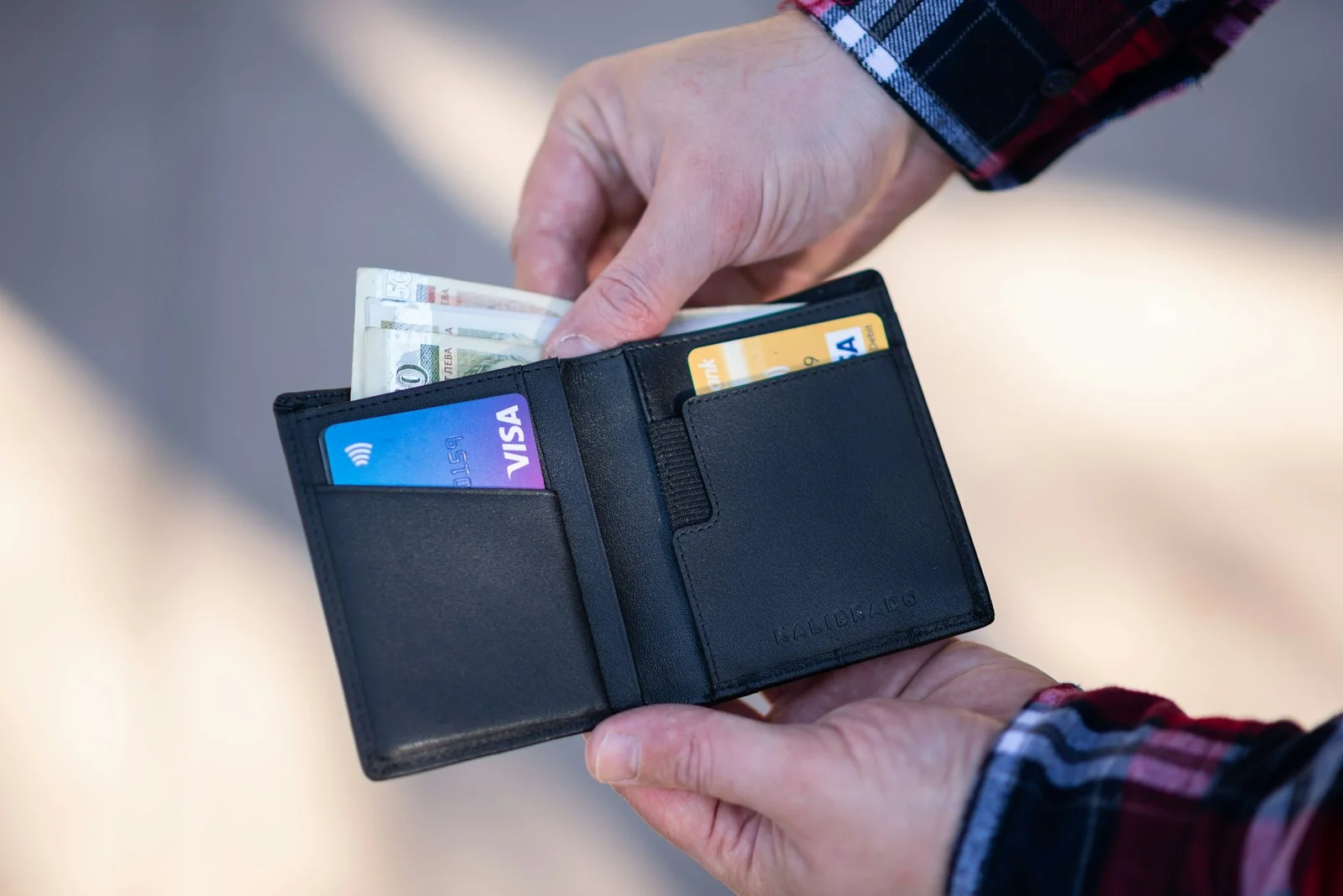
Payment cards are now an essential part of everyday personal and business finances. Although they may look similar, they differ significantly in how they function, the source of funds, and the purpose they serve. In a world driven by mobile banking and instant payments, it’s worth understanding which type of card best suits your needs. In this article, we break down the key differences between debit, credit, prepaid, and charge cards—and explain when each option makes the most sense.
Debit Card – Your Go-To Tool for Everyday Payments
The debit card is the most common and universal type of payment card. It’s directly linked to your bank account, meaning every transaction immediately deducts funds from your available balance. This is the card we use most frequently in stores, ATMs, and for online purchases.
From a financial management standpoint, a debit card is safe—it doesn’t allow you to spend more than you have, and most banks offer full control via mobile apps. It’s the perfect tool for daily shopping, bill payments, and digital transactions. For many, it’s the default choice for managing their budget.
Credit Card – Financial Flexibility That Requires Responsibility
A credit card operates differently from a debit card. It allows you to spend money borrowed from the bank, up to a pre-approved credit limit. If you repay the amount within the interest-free grace period (usually up to 54–60 days), you won’t pay any interest. Beyond that period, interest starts to accrue—typically at higher rates than traditional loans.
Cash payment – limit in 2024. Check how much it is!
A credit card is especially useful for emergencies, larger purchases, or travel—many hotels and car rental companies require one. It also helps build credit history, which can be crucial when applying for a mortgage or loan. However, without responsible usage, a credit card can lead to debt, so it should be treated as a financial tool—not free money.
Prepaid Card – Budget Control Without a Bank Account
A prepaid card is growing in popularity among those seeking tighter control over their spending. It’s not linked to a bank account—you load a set amount onto the card in advance and then use it until the balance runs out. These cards are available without registration (within legal limits) and can often be purchased online or at retail locations.
Prepaid cards are ideal for parents giving allowances to children, companies distributing employee bonuses or gift cards, and individuals who want to shop online without using their primary account. They’re also great for managing expenses while traveling. One of the biggest advantages is security—if the card is lost or stolen, only the preloaded amount is at risk.
Charge Card – A Premium Option for Businesses and High-Income Users
A charge card is less common but favored by business owners and premium clients. Like a credit card, it allows access to funds provided by the issuer—but the full balance must be repaid by the due date, usually monthly. Unlike a credit card, there’s no installment or minimum payment option.
Charge cards are popular among companies that regularly incur business expenses for travel, logistics, or equipment, and need a streamlined way to manage spending. For high-income individuals, a charge card often comes with perks like higher limits, insurance, concierge services, and premium lifestyle benefits. However, it requires stable income and a strong financial reputation.
Consumer rights and refunds – when must a retailer return your money, and within what timeframe?
Which Payment Card Should You Choose? A Practical Guide
Choosing the right card depends on your financial habits, lifestyle, and expectations.
- If you want simplicity and full control – choose a debit card.
- If you value flexibility and can manage repayments – consider a credit card.
- If you need secure spending for travel or online shopping – a prepaid card is a smart choice.
- If you’re a business owner or prefer premium services – a charge card might offer added value.
Also keep in mind that many modern cards offer hybrid features such as multi-currency support, mobile payment compatibility (e.g. Google Pay, Apple Pay), cashback, and travel insurance.
The payment card market is evolving rapidly—and so is the importance of making informed choices. The right card isn’t just about convenience; it’s a key part of managing your finances, building credit, and protecting against fraud. In a world where every second and every penny count, it matters how you pay.