



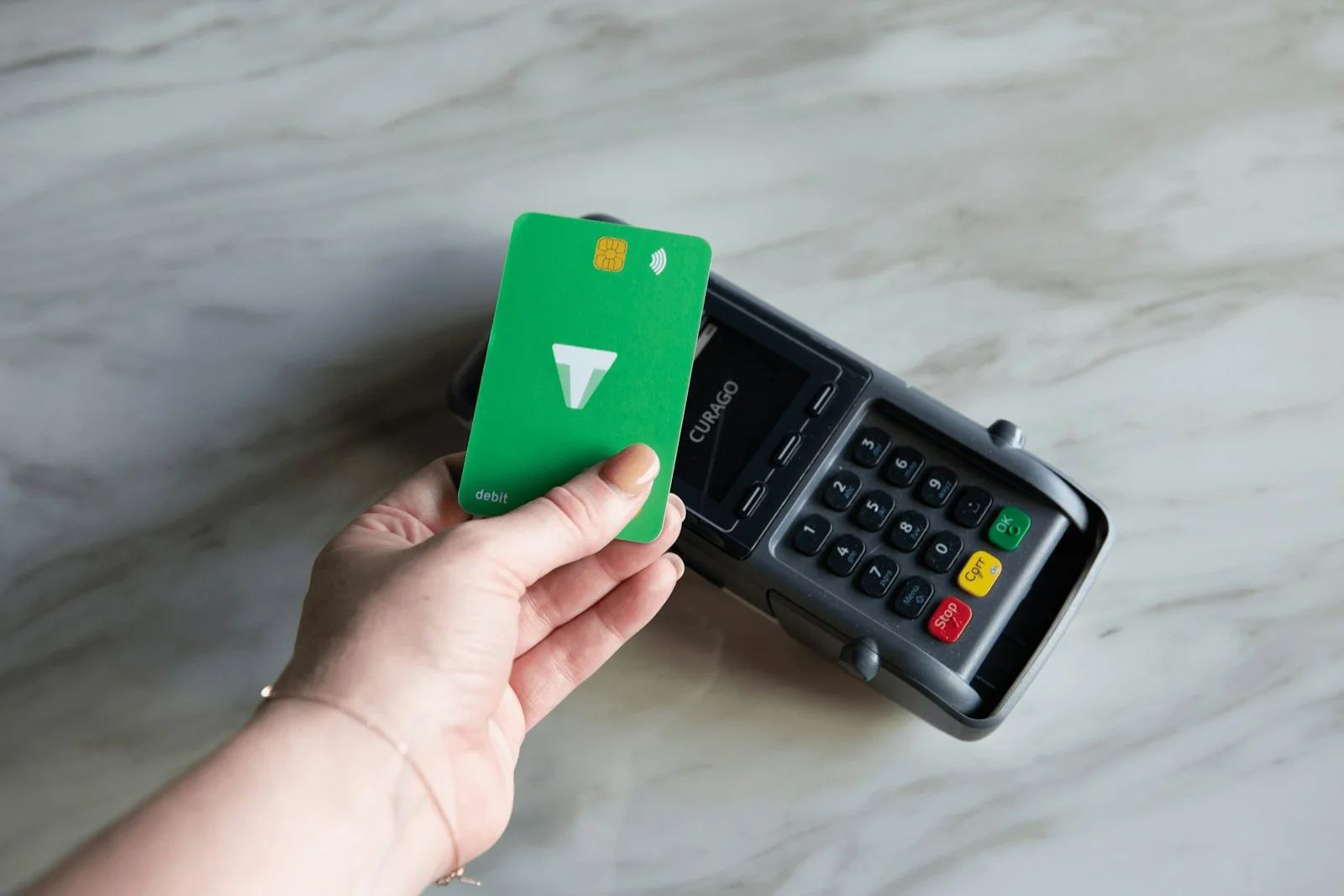
A payment terminal is no longer a luxury or an optional add-on – it’s a basic business tool that directly influences customer decisions. In the age of digital transformation, cashless transactions are now the norm across the EU. In this article, we explore key trends, terminal types, cost structures, and legal obligations under EU regulations. Whether you’re running a café in Lisbon, a boutique in Berlin, or a mobile service in Milan, here’s what you should know before investing in a payment terminal in 2025.
Payment terminals as a growth engine for modern businesses
Across the European Union, the majority of consumers prefer card or mobile payments over cash. In some countries, contactless payments make up over 90% of all transactions. For many customers – especially younger, international, or tech-savvy ones – the absence of a payment terminal is a clear reason to abandon a purchase. Accepting digital payments enhances the customer experience and directly impacts sales performance.
From an operational perspective, electronic payments accelerate checkout, reduce human error, and simplify accounting. Integrated systems allow for real-time reporting and easier reconciliation, enabling better business decisions. For small and medium-sized enterprises, especially those operating in high-traffic areas or offering services on the go, a well-functioning payment terminal is both a convenience and a competitive necessity.
Google Pay – What Is It, How Does It Work, and Is It Worth Using?
Types of payment terminals – how to choose the right one
In 2025, business owners can choose from various types of payment terminals: stationary models, wireless mobile terminals, all-in-one devices with POS integration, and software-based softPOS solutions. The choice depends on your operational needs. A physical store may prefer a fixed device connected via Ethernet or Wi-Fi, while couriers, market sellers, or beauty professionals might benefit more from compact wireless terminals with SIM-based connectivity.
The softPOS model, where merchants use a smartphone or tablet to accept contactless payments via an app, is gaining popularity across the EU. This solution is especially attractive to freelancers and microbusinesses who want to reduce upfront costs and still meet customer expectations. It’s a flexible, low-entry solution aligned with current EU digital payment trends.
Cost considerations – fees, contracts, and payout terms
When choosing a terminal, it’s essential to look beyond the purchase price. Ongoing expenses such as transaction fees, settlement delays, monthly service charges, and compliance costs can vary significantly across providers. Some companies offer simple flat-fee models, while others use variable pricing based on transaction volume or card type.
With increased competition in the European fintech space, many providers now offer subscription-free models, discounted transaction rates for SMEs, or rapid payouts (e.g., same-day or D+1 settlements). Be sure to understand whether your agreement includes minimum turnover requirements, early termination fees, or hidden add-ons. Transparent pricing and flexibility are key to long-term profitability.
Legal and regulatory obligations under EU law
Payment terminals within the European Union must comply with EU-wide financial and data protection regulations, notably:
- PSD2 (Payment Services Directive 2) – requires strong customer authentication (SCA) and secure processing of electronic payments.
- GDPR (General Data Protection Regulation) – governs the handling of personal and payment data, ensuring customer privacy and data security.
- AML/KYC (Anti-Money Laundering / Know Your Customer) – mandates that payment providers verify merchant identity and monitor transactions for suspicious activity.
Accounting outsourcing – why is it worth entrusting your finances to specialists?
As a business owner, you are responsible for working with licensed and PSD2-compliant payment service providers. Terminals used in EU member states must support secure protocols like EMV (Europay Mastercard Visa) and, in many cases, 3D Secure 2.0 for card-not-present transactions. Ensure your terminal and backend systems adhere to PCI DSS (Payment Card Industry Data Security Standard) to maintain customer trust and reduce liability.
Payment terminals as part of a unified commerce strategy
Today’s customers shop across multiple channels – physical stores, online platforms, apps, and social media. For that reason, unified commerce strategies are becoming the new standard, integrating payment systems across all sales channels. A payment terminal is no longer just a device – it’s part of a broader infrastructure that supports omnichannel experiences.
Forward-thinking fintechs like Fenige are at the forefront of this transformation. They offer not only physical terminals, but also multi-currency support, e-commerce integrations, real-time reporting, and fast settlement services. Businesses that partner with such providers gain access to efficient, secure, and scalable payment systems that help them operate across borders and meet the expectations of a digitally connected consumer base.