



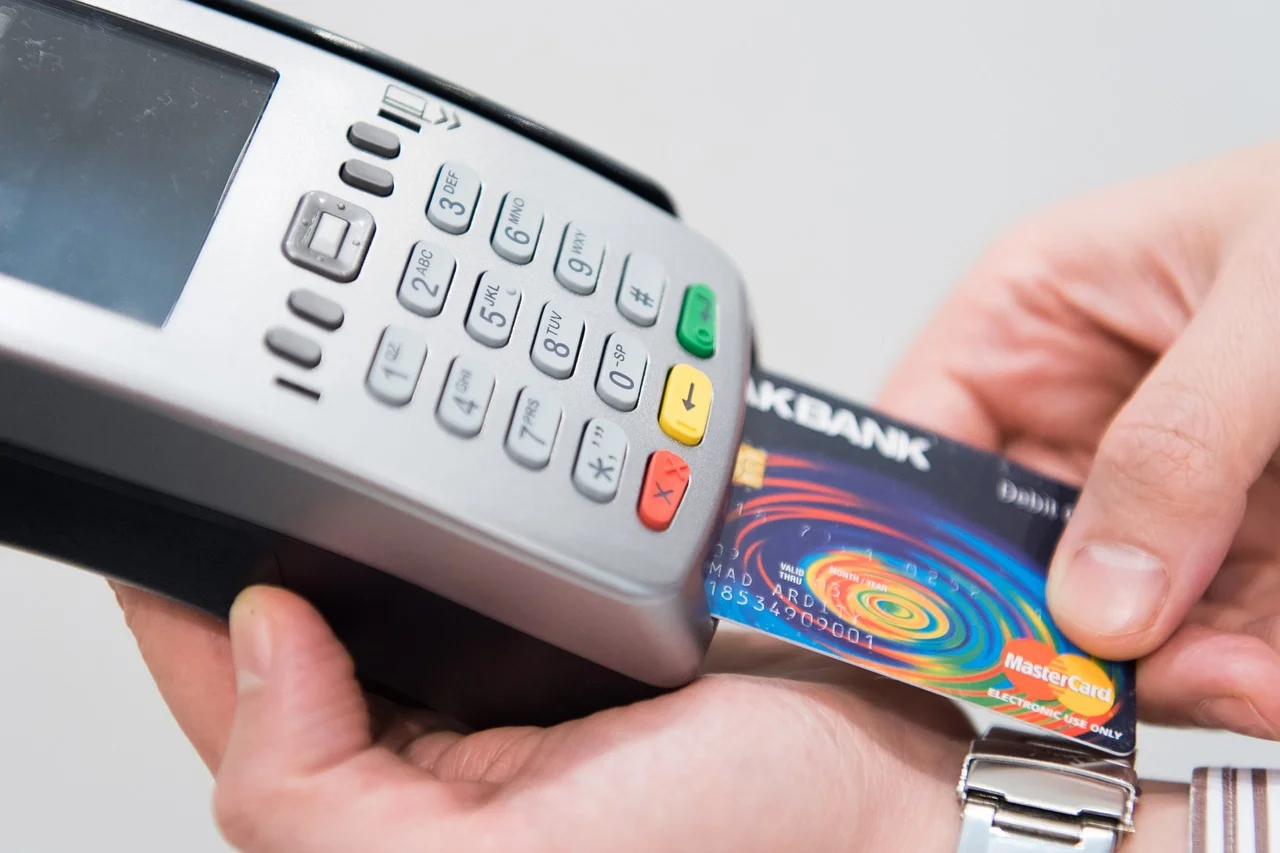
A payment terminal used to be a convenience – today, it’s increasingly a necessity, not only for customer satisfaction but also to comply with evolving regulations across the European Union. As cashless transactions become the norm and the EU pushes forward with digitalisation, entrepreneurs from various sectors are asking a key question: is a payment terminal mandatory? In this article, we explore who is required to offer card payment options, which exceptions apply, and why having a terminal is a smart move – even when it’s not legally enforced.
Legal requirements across the EU – is accepting card payments mandatory?
While there is no single EU-wide law that universally mandates the use of payment terminals, many EU member states have introduced national legislation that requires businesses to offer non-cash payment methods, especially when using fiscal cash registers. These rules are most common in sectors like retail, hospitality, and services where consumer interaction is direct and frequent.
The legal foundation for these national rules often stems from the EU Payment Services Directive (PSD2), which promotes consumer rights and fosters innovation and security in digital payments. In practical terms, this means that:
- In countries like France, Italy, Spain, and Germany, retailers are required to accept at least one cashless payment method;
- Businesses using fiscal devices (cash registers) are often expected to integrate them with payment terminals for transparent reporting;
- Many governments are linking tax compliance tools (e.g., digital receipts, e-invoicing) with POS and terminal systems, encouraging merchants to digitalise their operations.
The Data Protection Act – what every UK business needs to know
Even where not mandatory by law, offering card payment options is quickly becoming the standard expected by consumers across the EU.
What about the UK? Legal status of payment terminals post-Brexit
Although the United Kingdom is no longer part of the European Union, the trends in digital payments mirror those seen across the EU – if not moving even faster. As of 2025, there is no blanket legal requirement in the UK for all businesses to use a payment terminal, but regulatory and market pressure is steadily increasing in that direction.
Under the Consumer Rights (Payment Surcharges) Regulations 2012, businesses cannot charge extra for accepting card payments, which encourages fair access to cashless options. Moreover, the Financial Conduct Authority (FCA) and HMRC support the adoption of digital tools and fiscal transparency, especially in sectors prone to cash-only operations.
While the UK government does not currently mandate that all retailers accept card payments, some industries – such as licensed taxis, large hospitality venues, and online retailers – are increasingly expected to do so. Additionally, as part of Making Tax Digital (MTD), digital recordkeeping and transaction tracking are becoming de facto standards, indirectly encouraging the use of integrated POS and payment terminal systems.
In short, even without a legal obligation, UK businesses that don’t accept card payments risk being perceived as outdated – especially in a market where over 90% of transactions are now cashless. Adopting a payment terminal is not just good practice; it’s becoming essential for growth, customer retention, and credibility in a highly competitive landscape.
Cash payment – limit in 2024. Check how much it is!
Which businesses are exempt from this obligation?
Some types of business may be exempt from mandatory terminal use, depending on local regulations or the nature of their operations. Common exceptions include:
- Freelancers or sole traders issuing invoices without physical sales points;
- Service providers working under public contracts or supplying institutions that don’t require in-person payment;
- Certain low-revenue or low-frequency businesses such as occasional market stalls or artists working under tax-exempt thresholds;
- Businesses located in remote areas with limited access to banking infrastructure (in some member states).
That said, even when exempt by law, the absence of a card terminal may still result in lost sales opportunities – especially among younger customers, tourists, and digital natives who rarely carry cash.
What are the potential penalties for non-compliance?
In countries where accepting cashless payments is mandatory, fines or administrative penalties can apply if a business fails to comply. For example, France imposes penalties for refusing card payments, and Italy has introduced real-time reporting of transactions linked to POS systems.
Furthermore, several EU countries are in the process of digitising fiscal systems, and new regulations (such as mandatory integration of payment terminals with fiscal registers or real-time sales reporting) are expected to expand. Failure to meet these requirements could:
- hinder access to public procurement opportunities,
- result in tax audit risks,
- or prevent eligibility for digitalisation grants or subsidies.
It’s worth noting that some member states offer incentive programmes to support small businesses in adopting terminals – lowering fees, offering devices for free, or covering installation costs.
Why using a payment terminal makes business sense
Even if your business is not legally obligated to have a payment terminal, the commercial case for accepting card and mobile payments is stronger than ever. Across the EU, customers increasingly expect fast, secure, and contactless payment options. In many sectors, refusing card payments is seen not only as inconvenient but unprofessional.
Chargeback – what is a chargeback?
Offering a card terminal allows you to:
- Speed up customer service and reduce cash handling,
- Improve financial control and automate reporting,
- Reduce the risk of theft and human error,
- Access detailed data for performance and sales analytics.
Moreover, digital payments are now part of the customer experience – a smooth checkout is as important as a good product. Businesses that adapt to this reality can better meet customer expectations and grow more sustainably.
Modern payment terminals and the role of fintech
Today’s payment terminals are not just card readers – they are multi-functional financial tools. When combined with cloud-based POS systems and fintech solutions (such as those provided by Fenige), merchants gain access to:
- Multi-currency settlement tools,
- Integrated online and in-store payment platforms,
- Real-time financial reporting,
- Advanced data analytics and transaction insights.
These features support not only compliance with EU directives but also business development—especially for companies engaged in cross-border commerce or looking to optimise operational efficiency. In this context, a payment terminal is not just a legal requirement or a cost, but a strategic asset.
Conclusion: is a payment terminal mandatory?
In many EU countries and for many types of businesses – yes, a payment terminal is required, especially when using fiscal devices or serving consumers directly. But even when not legally obligated, the absence of a terminal can create friction, limit growth, and damage your brand’s credibility.
The European market is moving rapidly toward digitalisation, real-time reporting, and seamless consumer experiences. For entrepreneurs, adopting a payment terminal is no longer a matter of “if” but “how soon.” Choosing the right solution today can protect your business from regulatory risk tomorrow – and unlock valuable growth opportunities along the way.