



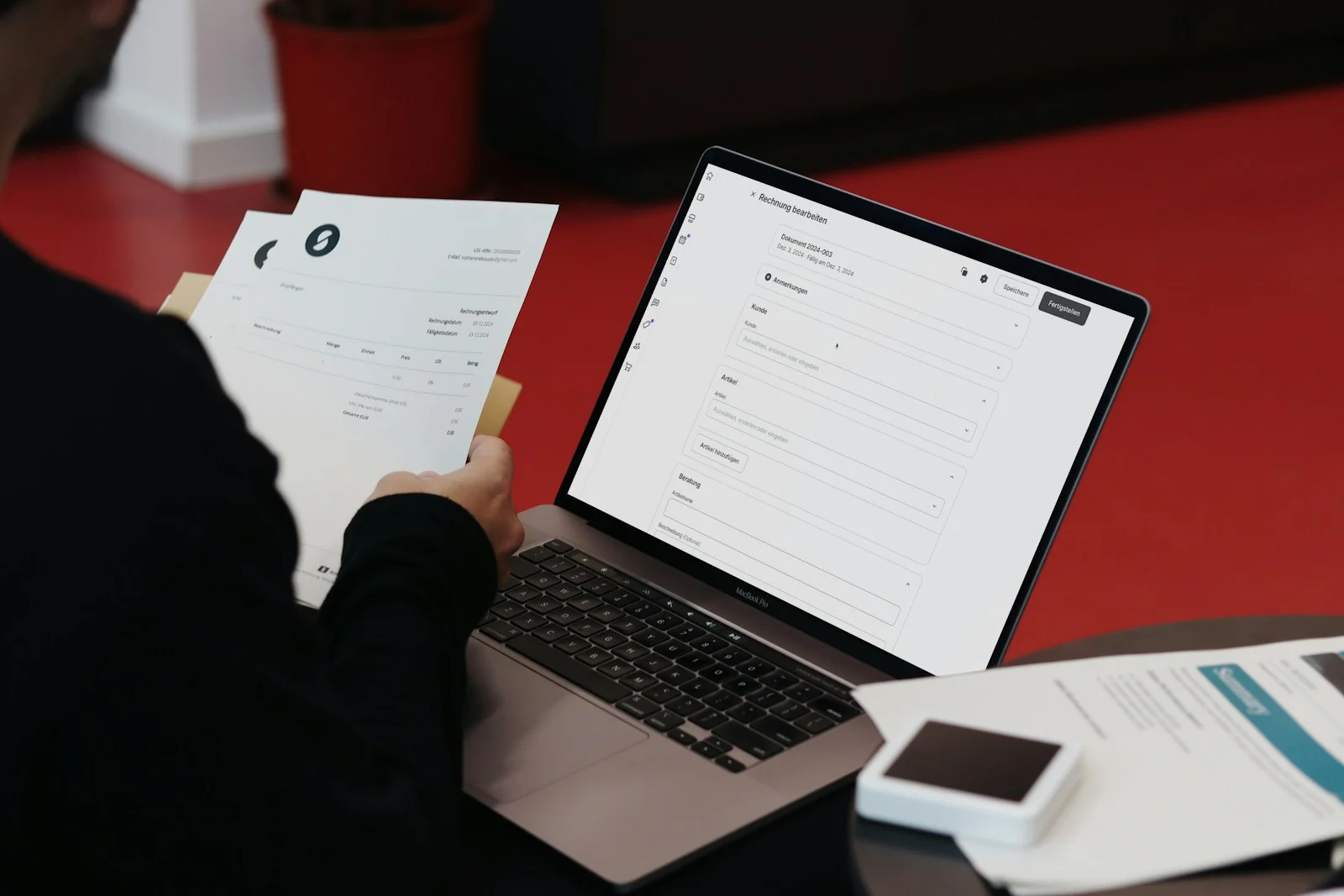
Invoicing software is now one of the essential tools for any modern business in the UK, no matter its size or industry. Issuing invoices is a legal obligation for businesses registered for VAT (or even for non-VAT-registered companies that still need to keep proper records), but with the right software, this process becomes quick, easy, and fully compliant with UK legislation. More importantly, quality invoicing software is about much more than documents – it gives you control over payments, automated reminders for clients, and insights into your revenue streams. In this article, we’ll help you understand how to choose the right tool for your business and what to look for so your investment in digital finance truly pays off.
Why it’s worth investing in professional invoicing software
Just a few years ago, many small businesses in the UK created invoices using spreadsheets or free basic tools. Now, dedicated invoicing software has become the standard, automating much of the work and reducing the risk of errors. It means you not only save time, but can also feel confident your invoices comply with current UK rules, including requirements from HMRC’s Making Tax Digital (MTD) initiative.
What to Sell Online? Here Are the Best Ideas to Get Started!
What’s more, many professional invoicing platforms increasingly integrate with online payment systems. This means your client can pay the invoice immediately after receiving it, simply by clicking a secure payment link. This significantly speeds up your cash flow, which is critical for SMEs where liquidity often determines the stability of the entire business.
What features should modern invoicing software offer?
Good invoicing software should allow you to quickly issue standard VAT invoices, pro forma invoices, credit notes, or simplified invoices — but its capabilities shouldn’t stop there. Look for systems that automatically remind clients of due dates, send out payment notifications, and make it easy to track which invoices have been settled and which are still outstanding.
More and more platforms also include features for managing foreign currencies, generating detailed sales or stock reports, and integrating with popular UK banking systems. This means you get a complete overview of your company’s finances in one place, without needing separate spreadsheets or endless manual notes.
Invoicing software, data security and compliance with UK regulations
Protecting client and partner data is absolutely critical. Professional invoicing systems in the UK should meet robust security standards like encrypted SSL connections and GDPR compliance, along with secure, regular data backups. This helps minimise the risk of leaks or losing important information in case of a technical failure.
It’s also vital that your chosen software stays aligned with UK tax regulations, including the requirements of Making Tax Digital (MTD) for VAT, which is gradually expanding to cover more types of businesses. This means you don’t have to worry during an HMRC audit, and you can quickly generate the records and digital returns needed to prove compliance.
Does an online store need a cash register?
How invoicing software supports payment collections and partner relationships
One of the biggest advantages of modern invoicing software is its integration with online payments. You can send clients an invoice with a secure payment link and receive funds directly into your business account, sometimes within minutes. This is especially important for businesses that serve clients abroad and need to accept payments in different currencies — fintech solutions like Fenige.com excel here, enabling easy card and cross-border payments while keeping everything safe and straightforward.
Even better, invoicing systems automatically reconcile incoming payments, match them to the right invoices, and send confirmation receipts to clients. This saves time and reduces the chance of errors, giving your partners and customers complete clarity on the status of their payments.
What should you look for when choosing invoicing software for your business?
Choosing invoicing software shouldn’t be rushed. Think about which features are most important for you — do you need multi-currency support, advanced reports, stock management, or simply a clean system for invoicing and debtor tracking? Also check whether the provider offers UK-based technical support and how they handle software updates when tax regulations change.
It’s equally wise to consider ease of use and how well it integrates with other tools you already use in your business, like online payment gateways, your UK bank’s API, or inventory systems. The more automated your processes are, the fewer errors and delays you’ll face in settlement, which directly translates into faster growth for your business.
Summary
Invoicing software is no longer just a tool for generating invoices — it’s a sophisticated system that supports your entire financial workflow, from issuing documents to monitoring payments and integrating with secure payment platforms. By leveraging modern systems and fintech solutions like Fenige.com, you can streamline your accounting, gain confidence that your data is protected, and present a professional image to your clients. It’s an investment that pays for itself quickly, letting you focus on what really matters — growing your business.
Card acquiring for online stores: how to accept payments online smoothly and securely