



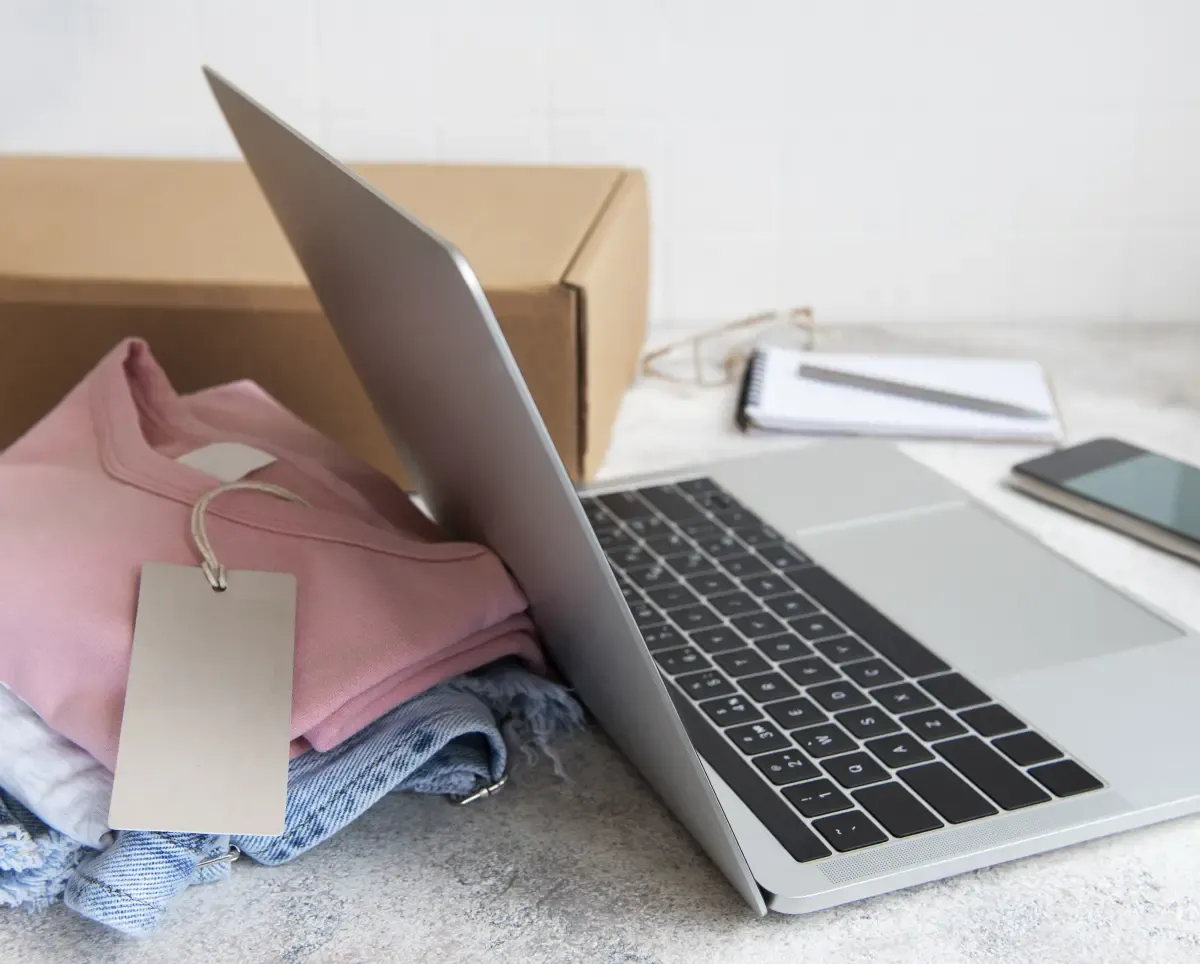
Are you wondering how to start your e-commerce journey without significant financial investment? Dropshipping might be the perfect solution. This innovative business model allows you to run an online store without stocking inventory. Learn how to set up a dropshipping store and leverage its potential.
What Is Dropshipping and How Does It Work?
Dropshipping is an e-commerce business model that changes how online stores operate. In this system, the seller does not need to keep physical inventory or worry about storage. Instead, when a customer places an order, the seller forwards it directly to the supplier, who handles the packaging and shipping of the product to the customer.
The main idea behind dropshipping is that the online store acts as an intermediary between the customer and the supplier. The seller focuses on marketing, customer acquisition, and order processing, while the supplier handles logistics and shipping. This model offers low startup costs and minimizes risks related to inventory management.
What Are the Basics of the Dropshipping Model?
The dropshipping model is based on a few key elements:
- The seller creates an attractive online store showcasing supplier products.
- A customer places an order and makes a payment on the store’s website.
- The seller purchases the product from the supplier at a lower wholesale price.
- The supplier ships the product directly to the customer, often without revealing the actual seller’s identity.
How to Start an Online Store Without Registering a Business?
The key advantage of this model is that the seller can offer a wide range of products without investing in inventory. Moreover, dropshipping eliminates costs related to warehousing and inventory management. For customers, the shopping process looks identical to that of a traditional online store, making this model very appealing to aspiring e-commerce entrepreneurs.
What Are the Pros and Cons of Dropshipping?
Dropshipping has become a popular e-commerce business model, allowing entrepreneurs to run an online store without a warehouse. Before choosing this model, it’s essential to analyze its advantages and disadvantages:
Advantages
- Low startup costs
- No need to invest in inventory
- Flexible product management
- Quick testing of new products
- Business can be run from anywhere
Disadvantages
- Lower profit margins
- Limited control over product quality and shipping
- Time-consuming supplier management
- Difficulties in building a unique brand
- High competition
How to Start a Dropshipping Online Store?
Setting up a dropshipping store begins with registering a business and choosing the right e-commerce platform. Next, you need to define a niche market and find reliable suppliers by signing a detailed agreement specifying cooperation terms, shipping conditions, and return policies.
While the model requires minimal upfront investment, success depends on marketing skills, including copywriting, video editing, web design, and ad management. Ensuring a smooth integration with a wholesaler’s system allows for automated inventory updates and pricing. Below are the key steps to starting a dropshipping store.
Choosing an E-commerce Platform
Selecting the right e-commerce platform is crucial for dropshipping success. Several solutions are available, including:
- WooCommerce (WordPress plugin)
- PrestaShop
- Shopify (subscription-based platform)
Key factors to consider:
- Easy supplier integration – the platform should allow seamless connection with supplier databases.
- Customization options – the ability to modify store design and functionality helps stand out from competitors.
- Multiple payment methods – offering various payment options increases the chances of completing sales.
- Order management tools – automating order handling is essential for efficient dropshipping operations.
Deferred payment – how it works and why it’s reshaping the future of e-commerce
Since choosing a platform is a long-term decision, take the time to test different options and select the one that best suits your needs and technical skills.
Registering a Business for Dropshipping
Registering a legal business is necessary for operating a dropshipping store. In Poland, this process is done through CEIDG (Central Register and Information on Business Activity). Key steps include:
- Choosing a taxation method – beginners often opt for flat tax or lump-sum tax.
- Selecting industry codes (PKD) – for dropshipping, the relevant code is 47.91.Z (retail trade via mail order or the Internet).
- Filing a CEIDG-1 application online or at a local office.
- Registering with the Social Insurance Institution (ZUS) – within 7 days of starting the business.
Tax obligations must also be considered. If sales exceed 200,000 PLN per year, VAT registration is required. Using accounting services can help manage taxes and ensure compliance.
Choosing a Niche and Products
Selecting the right niche and products is crucial to dropshipping success. Instead of selling everything, focus on a specific product category or target audience. Consider these factors:
- Market analysis – find trending products with steady demand and low competition.
- Passion and interest – selling products you are familiar with makes marketing easier.
- Profit margins – ensure products allow for decent profit after marketing and operational costs.
- Seasonality – choose between seasonal products or year-round bestsellers.
- Testing – experiment with different products. Dropshipping allows for quick changes in your inventory.
Since niche selection is dynamic, continually analyze sales results and adjust your offer based on market trends.
How to Find Dropshipping Suppliers?
Working with reliable suppliers is essential for a successful dropshipping business. Here’s how to find good suppliers:
- Online research – use B2B marketplaces like AliExpress, Oberlo, or SaleHoo.
- Industry forums and discussion groups – get recommendations from experienced sellers.
- Direct supplier contact – negotiate wholesale pricing and delivery terms.
Integration of online payments with e-commerce – how to do it?
Key supplier evaluation criteria:
- Product quality
- Shipping speed
- Return policies
- Customer support efficiency
Be cautious with suppliers that have unclear return policies or slow response times, as these could lead to customer service issues.
How to Integrate with Dropshipping Suppliers?
Supplier integration is key to automating your store’s operations. Modern e-commerce platforms offer tools for real-time synchronization of:
- Stock availability – avoid selling out-of-stock products.
- Pricing updates – quickly adjust prices based on supplier changes.
- Automated order forwarding – streamline order processing.
- Shipment tracking – keep customers informed about delivery status.
A well-integrated system minimizes errors and enhances customer experience.
How to Market and Promote a Dropshipping Store?
Marketing and promotion are essential for success in dropshipping. First, establish a strong brand identity, including:
- Memorable store name
- Attractive logo
- Consistent website design
Effective Marketing Strategies for Dropshipping
- Content Marketing – write blogs, guides, or create videos to attract potential customers.
- Social Media – engage audiences on Facebook, Instagram, and Pinterest.
- Social Media Advertising – use Facebook Ads and Instagram Ads to reach a broader audience.
- Email Marketing – build a mailing list and send promotions and updates.
- Analytics Tools – track performance and optimize marketing campaigns.
Personalized marketing significantly boosts conversion rates and customer retention.
Why Is SEO Important for Dropshipping?
SEO (Search Engine Optimization) helps improve store visibility in search results, increasing organic traffic and sales. Key SEO elements include:
- Page speed optimization – use image compression and code optimization.
- Unique product descriptions – avoid supplier-provided content.
- Mobile-friendly design – ensure responsive functionality.
- Backlinks – publish guest posts and collaborate with influencers.
- Regular content updates – maintain a blog to improve SEO rankings.
SEO is a long-term investment. Regular monitoring and updates are crucial for maintaining search visibility.