



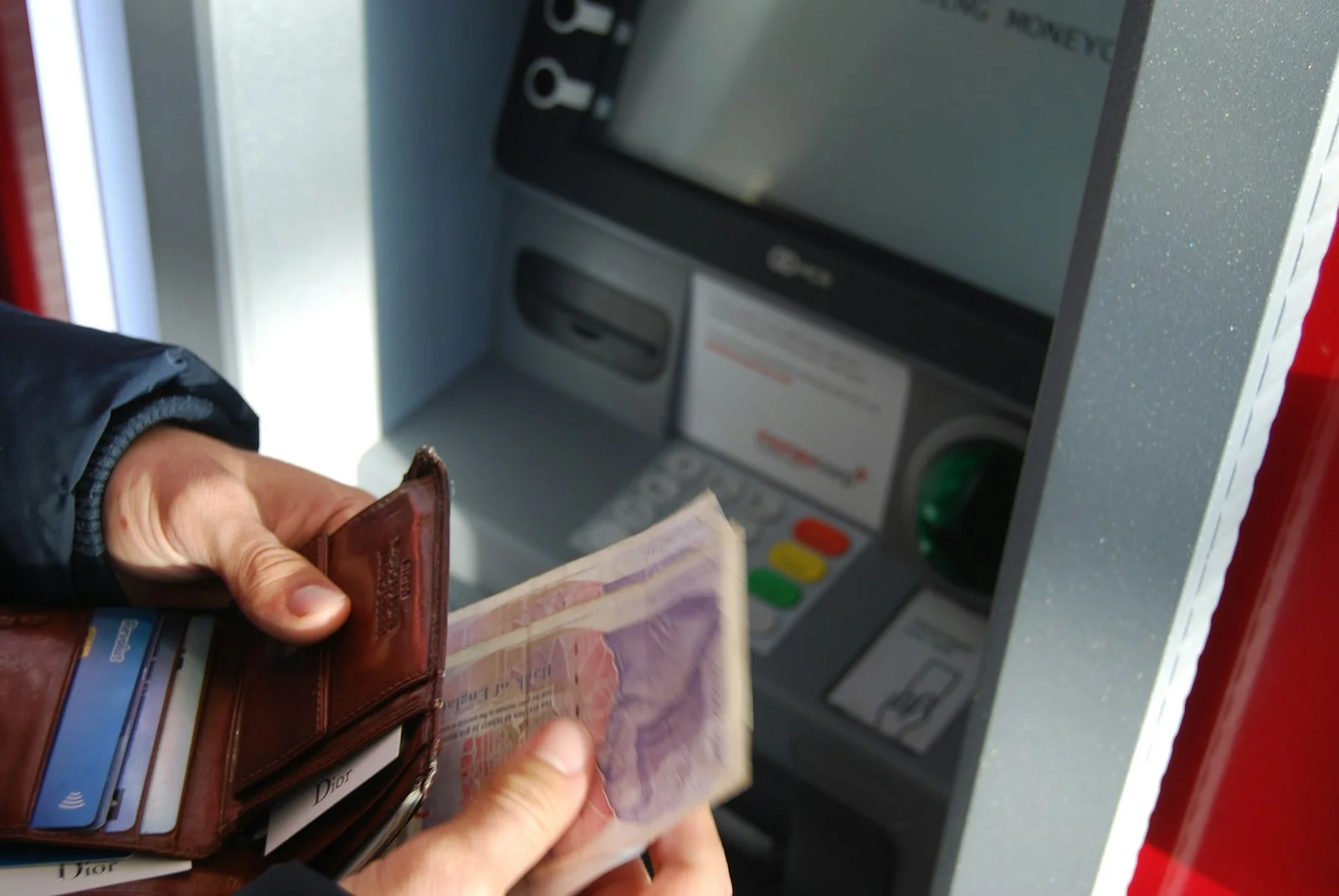
A bank account number is one of the most frequently used identifiers in both private and business transactions. But what if you want to verify who the owner of a particular bank account is? Is it even possible—or legal? In this article, we’ll explore what can (and cannot) be determined from a bank account number, what tools are available, and what the law says about accessing such information.
Is It Possible to Find Out Who Owns a Bank Account Number?
In Poland—and more broadly in the European Union—a bank account number is protected by banking secrecy laws. This means that banks are not allowed to disclose account ownership information to third parties, unless there is a valid legal basis—such as a court order, criminal investigation, or law enforcement proceedings.
In practice, this means that as a private individual, you cannot find out who owns a bank account unless you are the account holder or have a legal mandate (e.g., court judgment, power of attorney, or prosecutor’s request). This also applies to business entities. Even if you suspect fraud, the account owner’s data will not be disclosed unless official authorities become involved.
How long does an online transfer from account to account take?
What Can You Learn from a Bank Account Number?
While personal information is protected, a bank account number can still reveal certain technical details:
- The country in which the account is held – based on the IBAN format, e.g., Polish IBANs start with “PL”.
- The bank that maintains the account – the 3rd to 6th digits in a Polish NRB (Numer Rachunku Bankowego) identify the financial institution.
- Whether the account number is valid – free online tools can verify the format and checksum of the account number.
However, even if the number is valid and corresponds to a real bank, this does not confirm the reliability or identity of the person using it. That’s why using additional verification methods is always recommended.
What to Do If You Suspect Fraud?
If you suspect that the account number you’re about to transfer money to may be involved in fraud, do not proceed with the payment and contact your bank immediately. You can also:
- Report the case to the police (in person or via the ePUAP system),
- Use websites like bezpiecznaplatnosc.pl or community-led fraud alert platforms,
- Consult a legal professional, especially in business transactions, to initiate appropriate legal action.
If you’ve already sent money to a fraudulent account, you can try requesting a chargeback (if the payment was made by card) or file a formal complaint with your bank. In such cases, speed is crucial.
How Do Payment Institutions Like Fenige Help Protect Customers?
Yes, they do. Modern payment providers such as Fenige implement advanced transaction verification and risk monitoring systems. If suspicious activity is detected, the transaction is automatically flagged or blocked for further review. Fenige, as a licensed payment institution operating under AML and PSD2 regulations, does not disclose account ownership data, but actively cooperates with authorities when necessary.
Business insurance – why it’s essential and how to choose the best cover for your company
With secure authorization processes and tokenization of payment data, using intermediaries like PaymentHub, Transfers, or Card-to-Card solutions from Fenige adds an extra layer of protection and reduces the risk of transferring funds to the wrong account.
Summary: What Can and Can’t You Do with Someone Else’s Bank Account Number?
- You can check if the IBAN is valid and which bank it belongs to.
- You cannot find out who owns the account—this is protected by law.
- If you suspect fraud—report it to the bank, the police, or use fraud alert platforms.
- Use trusted payment systems like Fenige, which include fraud prevention features.
Remember: caution and verification are your best defense. When in doubt, it’s always better to double-check before you click “Send.”