



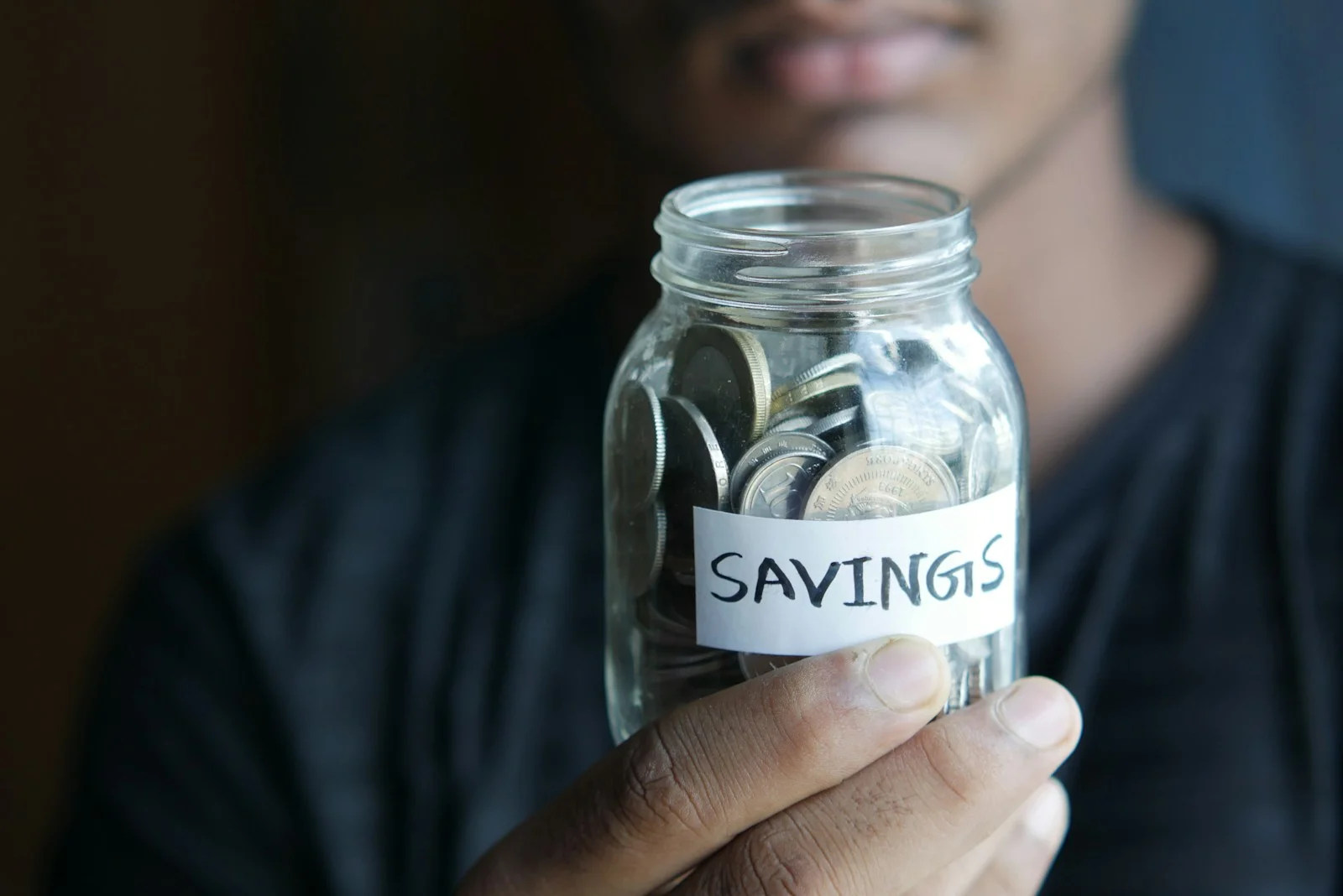
In the age of mobile payments, fintech innovation, and financial automation, traditional banking products like savings accounts are evolving into tools for smart money management. A savings account today isn’t just a place to “park” money. It can support automated transfers, help optimize cash flow, and even be linked to other digital services. So how does a savings account actually work and can it be integrated with modern payment infrastructure?
What is a savings account and how does it differ from a current account?
A savings account is a bank account designed for storing funds and earning interest—not for day-to-day transactions. Unlike a current (or checking) account, a savings account typically:
- earns interest on the deposited balance,
- limits the number of free withdrawals (e.g., one per month),
- doesn’t support card payments or recurring bill payments directly.
Its main purpose is to help individuals accumulate funds and build financial reserves, rather than serve as a payment tool. It’s ideal for setting aside money using the “pay yourself first” principle—automatically transferring a portion of income into savings as soon as it hits your main account.
How does a savings account technically work? Interest, capitalization, mechanics
From a technical perspective, a savings account functions much like any other bank account: it has a unique account number, tracks transaction history, and allows deposits and withdrawals. The key distinction lies in its ability to generate returns on your balance. Typically:
- interest is calculated daily, monthly, or quarterly,
- interest is capitalized (i.e., added to your balance to generate more interest),
- rates can be fixed or variable, often tied to central bank benchmarks.
How to pay safely by card online?
Most savings accounts come with no monthly fee, but banks may charge for frequent withdrawals or transfers. That’s why this product works best as a passive savings tool—not as a replacement for your day-to-day spending account.
Can a savings account be integrated with modern payment systems?
Yes, but with certain limitations. A savings account isn’t built for direct use with cards, terminals, or mobile payment apps. However, many banks now offer features that bridge the gap between savings and modern money management, such as:
- automated transfers between your savings and current account,
- “round-up” savings (e.g., saving spare change from purchases),
- mobile app access and control over your savings activity,
- integration with external financial tools and APIs.
This means you can build workflows that automatically move money into your savings—weekly, monthly, or even after every purchase. In this way, a traditional savings account becomes part of a smart financial ecosystem – passive saving meets active automation.
Savings meets fintech – new use cases for modern platforms
Modern payment providers and fintechs, such as Fenige, don’t offer savings accounts directly, but their payment infrastructure can work in tandem with savings solutions. For example, a fintech platform can:
- automate transfers of leftover funds to a savings sub-account,
- manage cashback, refunds, or loyalty bonuses into savings balances,
- enable multi-account management via a single interface,
- provide data-driven insights to support saving goals and liquidity planning.
With these integrations, savings accounts become more than just storage – they become a part of dynamic financial flows. In this model, a savings account is a destination, but the payment infrastructure is the engine.
Online payments in an online store – types and possibilities
Is a savings account still relevant in the fintech era?
Absolutely, as long as it’s used intentionally. A savings account is not just for long-term hoarding; it’s a strategic tool for habit-building, liquidity management, and financial resilience.
Combined with modern tools – mobile apps, APIs, and payment services like those offered by Fenige – savings accounts are regaining importance. They’re no longer passive products but integrated components of an automated, intelligent financial system.
Because in 21st-century personal finance, saving isn’t just a decision – it’s a process. And that process works best when it’s connected, seamless, and smart.