



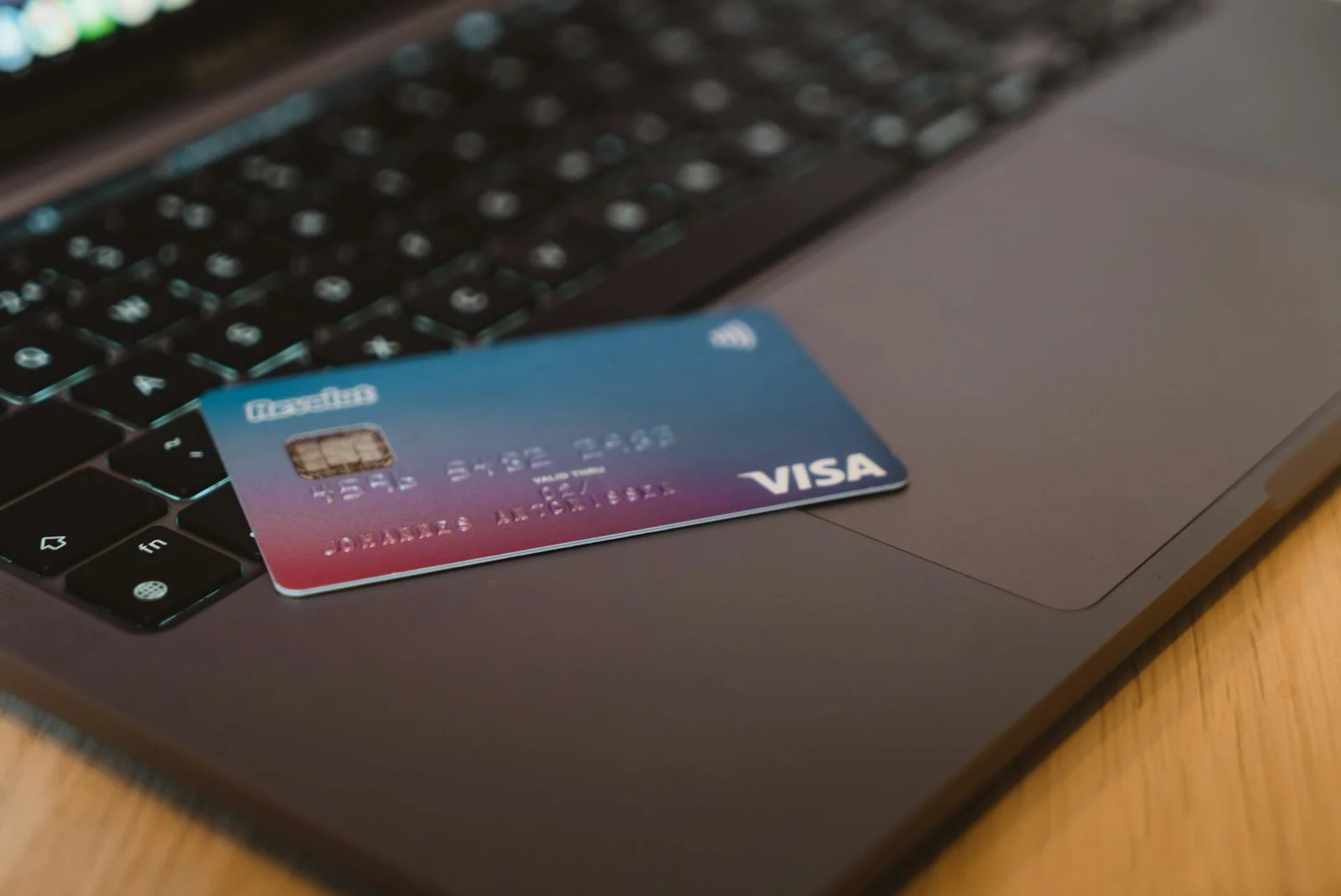
In this article, we’ll explain what the CVV code is, where to find it, when it’s required, and how to protect it. Whether you’re a business owner accepting online payments or a consumer looking to shop safely, this guide will help you understand the significance of the CVV code in the modern payments ecosystem.
What is the CVV code and where can you find it?
The CVV (Card Verification Value) is a security feature found on most credit and debit cards. For Visa and Mastercard, it’s a three-digit number located on the back of the card, typically next to the signature strip. For American Express, it’s a four-digit number printed on the front. The CVV is separate from the card number and expiration date, serving as an extra layer of verification.
The CVV is primarily used for card-not-present transactions, such as online purchases, mobile app payments, or phone orders. Its role is to confirm that the person making the transaction physically possesses the card, rather than just knowing the number and expiry date. This helps prevent unauthorized use of stolen card data in remote transactions.
A polite payment reminder – what should it look like?
Why the CVV code is important for secure transactions
The CVV acts as a crucial defense against card fraud, particularly in environments where the card is not physically swiped or inserted. Even if a fraudster obtains your card number and expiration date – through phishing, data breaches, or online leaks – the transaction will usually be declined without the correct CVV. That’s why CVV verification remains a standard step in most e-commerce checkouts.
Many modern payment systems also implement 3D Secure 2.0, a dynamic form of authentication that requires additional identity confirmation (e.g., SMS codes, biometric approval via banking apps). Yet even with this extra layer, the CVV is still a basic, universally accepted tool for verifying card ownership, especially in transactions where full 3D Secure is not enabled.
Can you share your CVV code? Common mistakes to avoid
One of the most common causes of payment data theft is unintentionally sharing the CVV code with others. You should never provide your CVV by email, phone, or chat, even if someone claims to be a bank representative, delivery company, or technical support agent. Legitimate institutions will never request your CVV code outside of a secure payment form.
Another frequent mistake is writing down the CVV code in physical notebooks, unsecured documents, or saving it in your browser without encryption. This significantly increases the risk of data theft. If you shop online frequently, consider using a password manager or your bank’s secure checkout tools to store and autofill sensitive card data safely. Managing your CVV code responsibly is one of the simplest and most effective ways to protect against fraud.
Seamless and Secure: The Future of Card-to-Card Money Transfers
What to do if you think your CVV code has been compromised
If you suspect that someone may have gained access to your card details, including the CVV, contact your bank or card issuer immediately. Most institutions allow you to block the card instantly and request a replacement. In case of unauthorized charges, you may be eligible for a refund, especially under EU PSD2 rules, which grant consumers the right to reverse unauthorised transactions.
Additionally, enable transaction alerts via SMS or push notifications to monitor your account in real time. Early detection is key to minimizing losses. It’s also a good idea to periodically review the apps, websites, and services where your card is stored and remove it from platforms you no longer use. Regular security hygiene helps keep your payment credentials out of the wrong hands.
The future of CVV – will the code eventually disappear?
While digital authentication technologies continue to evolve, the CVV code remains an essential part of global card security protocols. International payment networks such as Visa and Mastercard still require CVV verification as part of PCI DSS compliance. Despite growing adoption of biometrics and tokenization, CVV is still a universal fallback mechanism – especially in regions or platforms that don’t support dynamic verification.
In the near future, however, we may see a shift toward dynamic CVVs (dCVVs) – codes that change automatically with each transaction or after a fixed time period. Some banks and fintech companies are already piloting these technologies, which aim to combine higher security with user convenience. For merchants and payment service providers, this means adapting their platforms to support more advanced, real-time verification protocols that go beyond the static CVV.
Types of Payment Cards – Which One to Choose and How Do They Differ?
If you run an online store or plan to integrate card payments into your checkout process, consider working with a trusted payments provider like Fenige. With its robust infrastructure, secure transaction handling, and compliance with EU regulations, Fenige helps businesses manage payment data responsibly and boost customer confidence.