



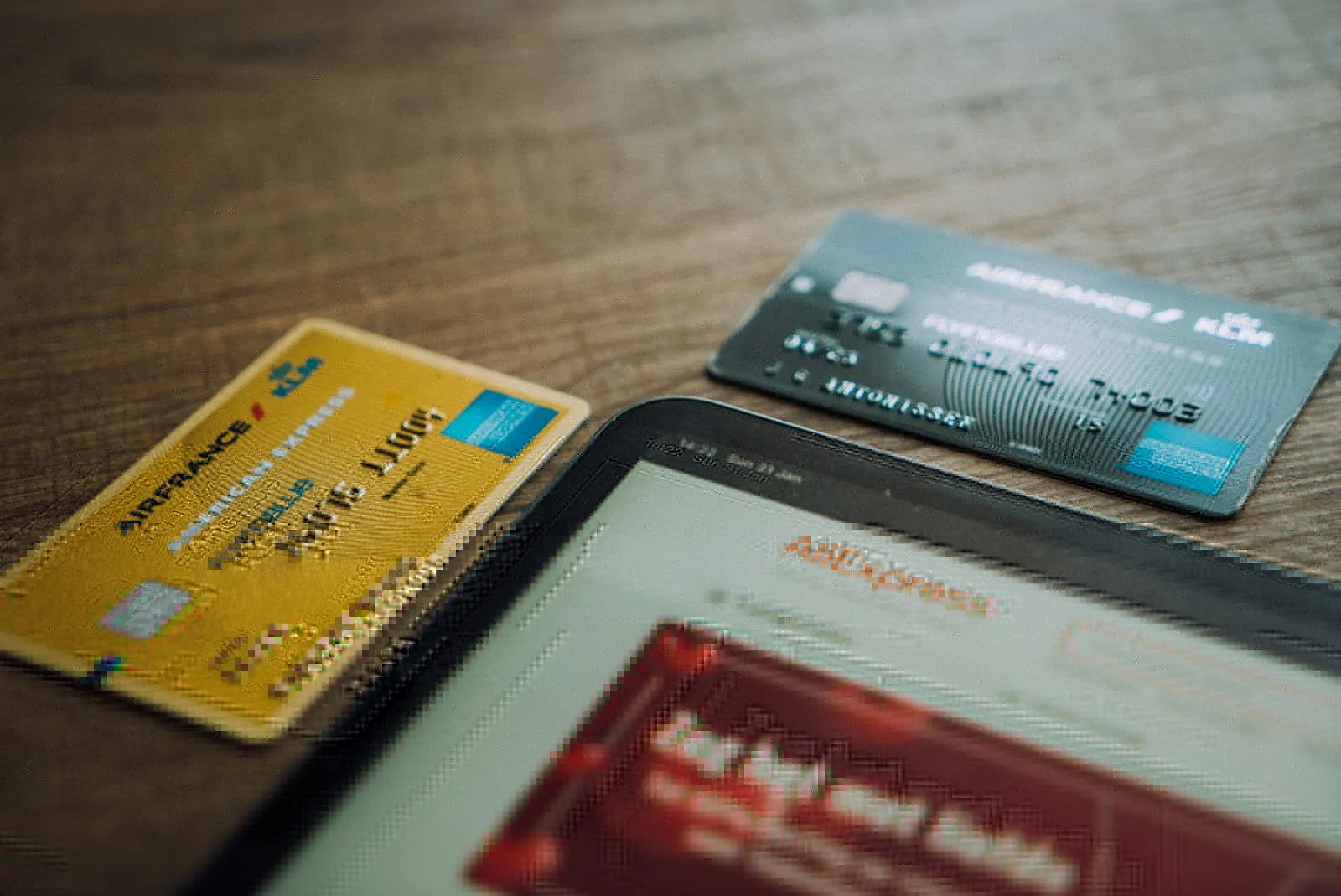
They may look the same, but credit and debit cards function in very different ways – and the impact on your budget can be significant. If you want to manage your money wisely and make informed payment choices, it’s worth understanding the key differences between the two – and knowing when each option makes the most economic sense.
How a Debit Card Works – Direct Access to Your Own Money
A debit card is the most common tool for everyday transactions. It’s directly linked to your bank account, and when you make a payment, the funds are withdrawn instantly from your available balance. This means you can only spend what you have – no more. For many people, that’s a feature, not a flaw, as it helps prevent overspending.
From an economic perspective, debit cards encourage disciplined spending. They help you maintain cash flow awareness and avoid falling into debt. They’re also cheaper to maintain – most banks offer them for free or for a small monthly fee. Debit cards are ideal for daily purchases like groceries, utilities, online orders, or ATM withdrawals.
Who is a business analyst? Discover this key role in modern companies
How a Credit Card Works – Financial Flexibility, with Conditions
A credit card gives you access to a pre-approved credit limit from your bank. When you pay with a credit card, you’re borrowing money – and you’ll need to pay it back, usually within a set interest-free grace period (typically 30–60 days). If you pay the full balance on time, you won’t be charged any interest. But if you don’t – interest will start to accrue, and credit card interest rates are often among the highest.
Used wisely, a credit card can be a powerful financial management tool. It’s useful for unexpected expenses, hotel reservations, car rentals, or large online purchases. It can also help you build a positive credit history, which is important for future loan applications. But be warned – mismanaging a credit card can lead to costly debt and a negative impact on your credit score. It requires responsibility and planning.
When Should You Use a Debit Card vs. a Credit Card?
Debit cards are the best choice for regular, predictable expenses – like grocery shopping, paying bills, or managing your everyday budget. They offer clarity: you spend what you have, with no risk of accidental debt. They’re particularly helpful for those who are building healthy financial habits or want full control over their cash flow.
Credit cards, on the other hand, are better suited for situations that require more flexibility or security. For example: booking travel, paying abroad, or covering larger purchases that you may want to split across billing cycles (as long as you have a repayment plan). Credit cards also offer additional protections like chargeback options, and may come with loyalty programs or insurance coverage – added value for smart spenders.
Payment Confirmation – when is it useful and how can you use it in B2B and P2P transactions?
Credit or Debit? The Answer Depends on Your Financial Strategy
There’s no one-size-fits-all answer. It depends on your income, spending habits, discipline, and financial goals. A debit card offers simplicity and security, while a credit card provides flexibility and benefits – with higher risk if not used responsibly.
Fenige – a modern approach to card payments without unnecessary complexity
While the choice between a debit and a credit card depends largely on individual financial preferences, it’s equally important to consider the infrastructure behind the transactions. Fenige, a modern payment institution, offers advanced technological solutions that support both debit card payments and fast card-to-card transfers. With Fenige’s Card-to-Card service, funds can be instantly transferred between users—regardless of whether the cards are linked to bank accounts or are prepaid.
The platform operates in full compliance with PSD2 and AML regulations, while also enabling merchants to integrate multiple card types within a single payment environment. This is especially valuable in sectors such as e-commerce or subscription services, where seamless and secure transactions are essential. For end users, it means greater flexibility in choosing how to pay—whether by spending their own funds or using a credit limit.
From an economist’s perspective, both cards can be seen as complementary tools for managing personal finances. The key is to use them strategically and understand the implications of each method. In the age of digital wallets and instant payments, knowing how and when to use your cards isn’t just useful – it’s essential. Learn more about global payment solutions for e-commerce and international businesses at Fenige.
How long does an online transfer from account to account take?