



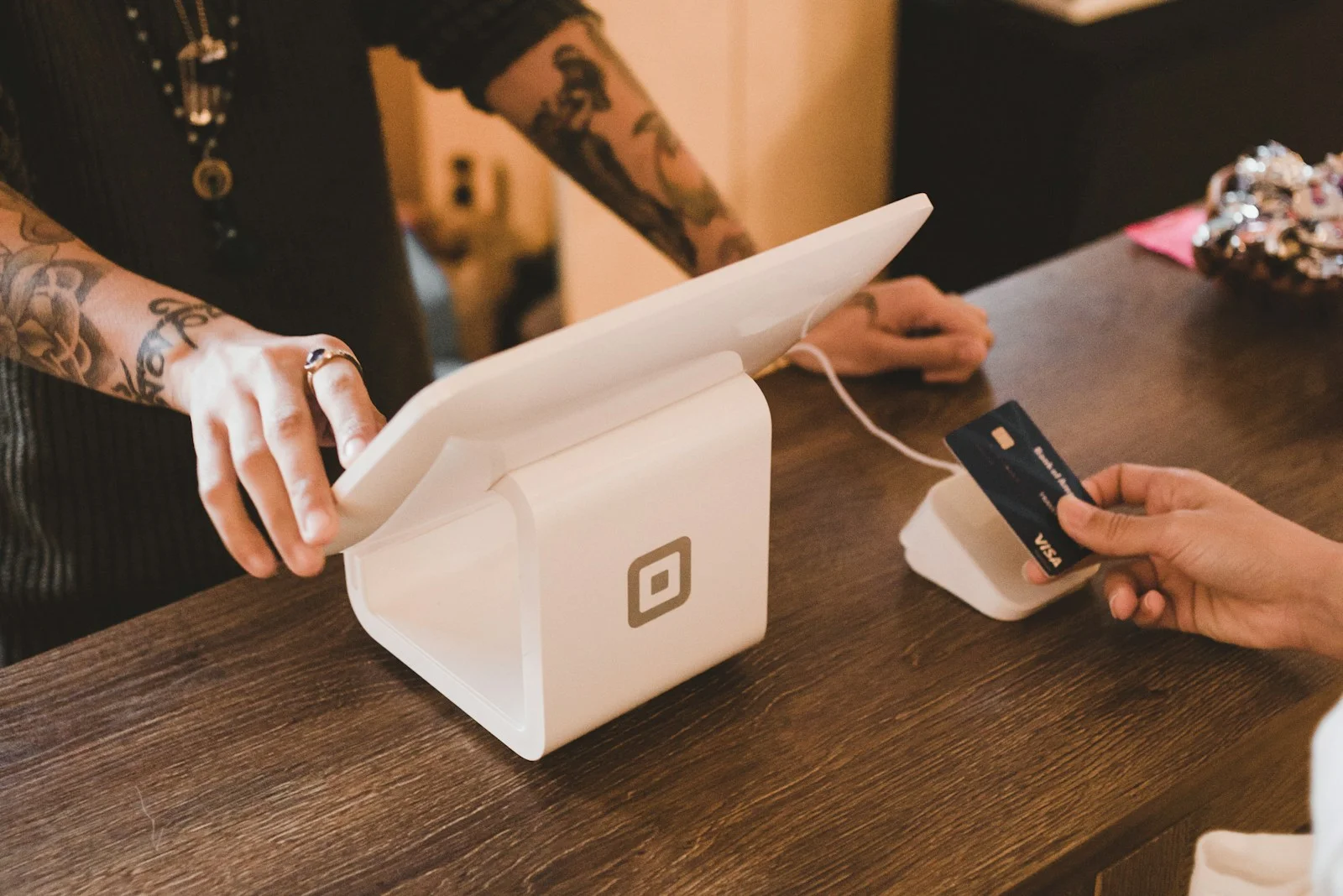
A cash register with payment terminal integration is no longer just a regulatory formality – it’s a strategic investment in efficiency, customer service, and financial transparency. In this article, we explore how a cash register with a payment terminal works, what benefits it brings to businesses of all sizes, what legal considerations apply, and what to keep in mind when choosing the right system.
What is a cash register with payment terminal integration?
A cash register with integrated payment terminal is a setup where both devices are connected to function as one seamless point-of-sale system. After scanning an item and confirming the transaction, the cash register automatically sends the payment amount to the terminal, where the customer can complete the transaction using a card, smartphone, smartwatch, or digital wallet. No manual entry is required, which significantly reduces the risk of mistakes.
This type of system also allows for automatic linking of the payment to the corresponding fiscal receipt, making bookkeeping easier and more accurate. Increasingly, providers are offering all-in-one smart POS systems, where the cash register, terminal, printer, and software are combined into a single device – particularly useful for cafes, boutiques, and mobile vendors.
What Is a PaymentHub? Complete guide to Fenige’s payment gateway
Benefits of integration – not just for large businesses
Integrating a cash register with a payment terminal offers real advantages even for small and micro businesses. First and foremost, it streamlines daily operations – cashiers no longer need to enter amounts manually, which speeds up service and reduces stress during peak hours. It also prevents discrepancies between cash register reports and payment terminal summaries, which can save valuable time during audits or financial reviews.
From a customer’s perspective, the experience is faster, smoother, and more professional. Consumers expect efficient, contactless service in modern retail environments. Offering integrated payment solutions helps meet those expectations and can increase sales by accommodating customers who prefer not to carry cash. In short, a better checkout process can directly contribute to business growth.
Is it legally required to integrate the cash register and terminal?
In many EU countries, businesses are legally required to accept cashless payments, especially if they serve the general public. While full integration of cash registers and terminals is not always mandatory, it is strongly encouraged – both for transparency and efficiency.
Several EU initiatives promote digital payment adoption as part of the Digital Finance Strategy and the fight against the shadow economy. Some national governments also offer financial incentives or tax deductions for adopting integrated systems. Looking ahead, digital compliance requirements – such as e-receipts, real-time sales reporting, and automated VAT declarations – will make integration not just a convenience, but a necessity.
What to consider when choosing a device?
When selecting a cash register with a payment terminal, it’s important to evaluate hardware compatibility, as not all terminals work seamlessly with all register systems. Ideally, choose equipment from the same provider or make sure both devices support open communication protocols (e.g., ECR-EFT standards). Software updates and scalability are also key – your POS system should be ready to adapt to new regulations and payment methods.
Invoicing software – how to choose the best solution and what your business stands to gain
Other factors to consider include:
- Transaction fees and settlement times
- Technical support and user training
- Data synchronization between sales and accounting systems
- Cloud connectivity for real-time reporting
If you operate multiple locations, you may benefit from centralized management tools that provide oversight across your entire network. Modern, integrated systems aren’t just about processing payments—they’re about gaining better business intelligence.
The future of retail tech – from hardware to fintech ecosystems
Retail is moving toward full automation and real-time data integration. A cash register with a payment terminal is no longer just a machine – it’s part of an evolving digital infrastructure that supports omnichannel commerce. The next generation of POS systems doesn’t just record transactions – it manages inventory, tracks customer behavior, connects with e-commerce platforms, and integrates directly with financial tools.
Fintech providers such as Fenige are leading this transformation. They offer multi-functional payment ecosystems, combining hardware with real-time settlement, cross-border payments, analytics, and developer-friendly APIs. Businesses that partner with such companies gain access to scalable, secure, and flexible solutions, helping them stay competitive in a rapidly changing market. For modern merchants, integration is no longer optional – it’s the foundation of a resilient, data-driven business.