



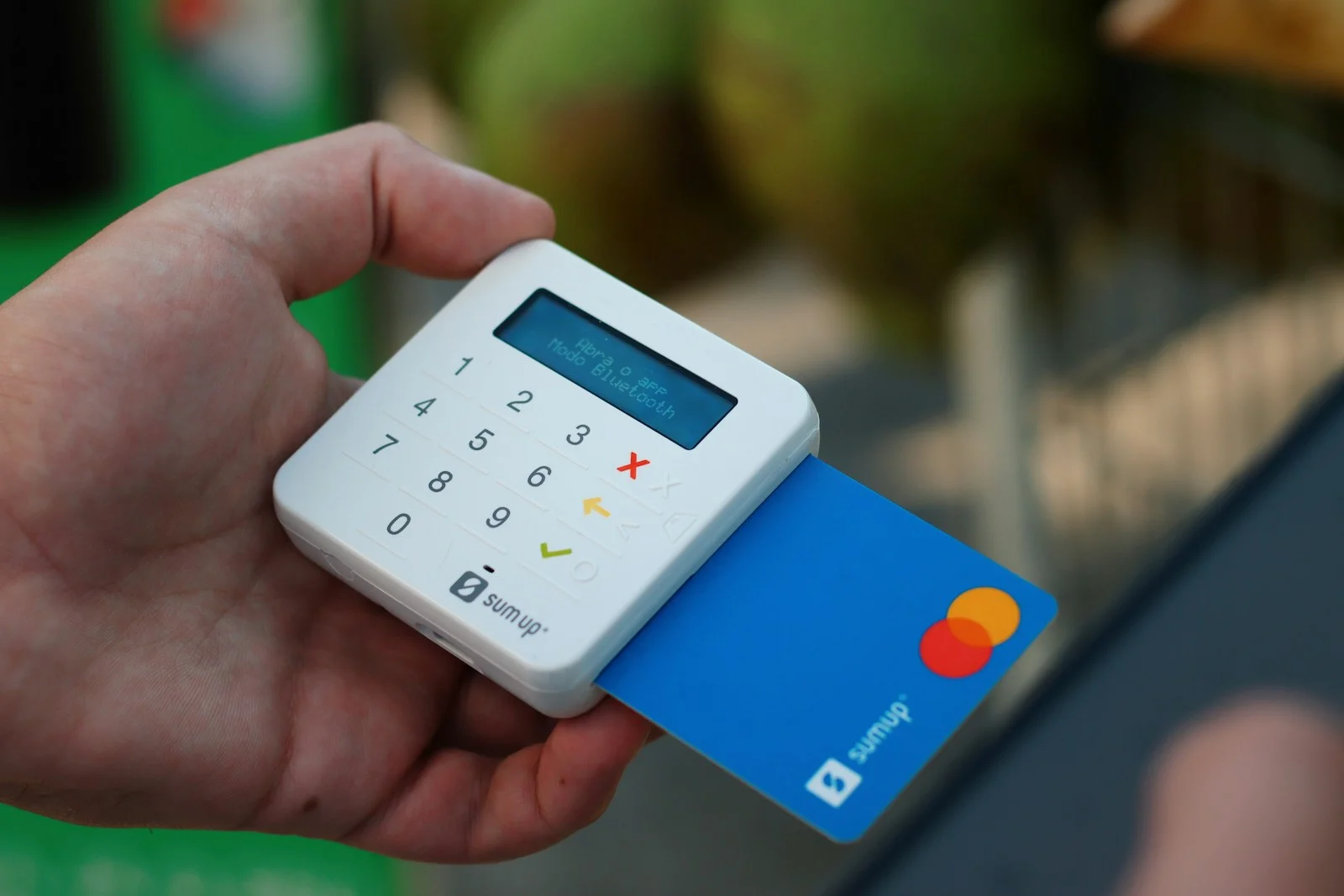
If you run a growing company, choosing the right payment setup is one of the most important decisions you’ll make. Whether you’re selling through an online store, offering in-person and online services, or sending invoices as a freelancer, having a smooth and secure online payment system is essential.
In this guide, we explore how to accept payments online, what to look for in a payment provider, and which online payment methods for small businesses offer the right balance between cost, flexibility, and customer satisfaction.
Choosing the right online payment system for small businesses
Every small business has unique needs, and your online payment system should reflect that. From supporting a wide range of payment methods to integrating with your business account, the right setup should streamline your payment process. Ideally, you’ll want a solution that acts as a payment gateway, payment processor, and acquirer—so you don’t have to juggle multiple contracts and platforms.
For small business owners, this integrated approach offers major advantages: a secure online payment infrastructure, transparent pricing, and support for multiple payment methods for small businesses including credit card, debit card, mobile payments, and payment links.
Why credit and debit card payments remain essential
Accepting credit card and debit card payments is still one of the most important payment methods for your small business. UK consumers expect to pay by card, whether online and in-person, so this option should be non-negotiable. Using a modern payment gateway, you can offer quick, secure card payments with tools like 3D Secure to reduce fraud risk.
Shoper – What is it and what features does it offer?
What’s more, credit and debit card payments are compatible with most POS systems, which makes them ideal for hybrid businesses that operate in-store and online. Just make sure to review your processing fees, as those can vary significantly between payment service providers.
The difference between gateway, processor and provider
If you’re new to online payment systems, the terminology can be confusing. Here’s a quick breakdown:
- The payment gateway securely transmits the customer’s payment information from your online store or checkout page.
- The payment processor authorises and completes the online transaction.
- The payment provider or acquirer transfers funds into your business bank account.
Some platforms combine all three roles, giving small businesses in the UK a simplified setup that helps them process payments more efficiently, avoid technical complexity, and reduce costs.
Mobile payment and payment link options for flexible businesses
For businesses that need flexibility—like freelancers, consultants, or service-based companies—mobile payment and payment link tools offer excellent versatility. With a payment link, you can send your customer a secure link by email or SMS, allowing them to complete the payment online. No need for a full online store or even a website.
Mobile payments like Apple Pay and Google Pay also support secure online and in-person checkouts with just a tap. They’re especially useful for small business owners working on the go or accepting payments at events, pop-ups, or markets.
Recurring payment solutions for subscriptions and retainers
If your type of business involves memberships, retainers or subscriptions, you’ll need to support recurring payments. That means choosing a payment gateway and payment processor that offer tools like tokenisation and card vaulting, so your customers don’t have to re-enter their details each month.
Recurring payments help automate your payment process and ensure consistent cash flow. This feature is crucial for businesses looking to build scalable, long-term customer relationships—especially in industries like fitness, digital services, or education.
B2B payment methods for small business
While many companies focus on customer payments, working with other companies introduces different requirements and expectations. Transactions in this segment often involve higher amounts, longer payment cycles, and additional approval steps.
Unlike standard consumer checkouts, these payments are rarely instant. Instead, they are typically based on agreements, invoicing, and negotiated terms between both sides.
Common B2B payment methods include:
- Bank transfers and wire payments
- Invoice-based payments with agreed deadlines
- Recurring billing for ongoing services or retainers
- Corporate cards for faster settlements
Each method serves a different purpose depending on the business model. For example, service providers often rely on invoicing, while SaaS or subscription-based companies benefit from automated recurring billing.