



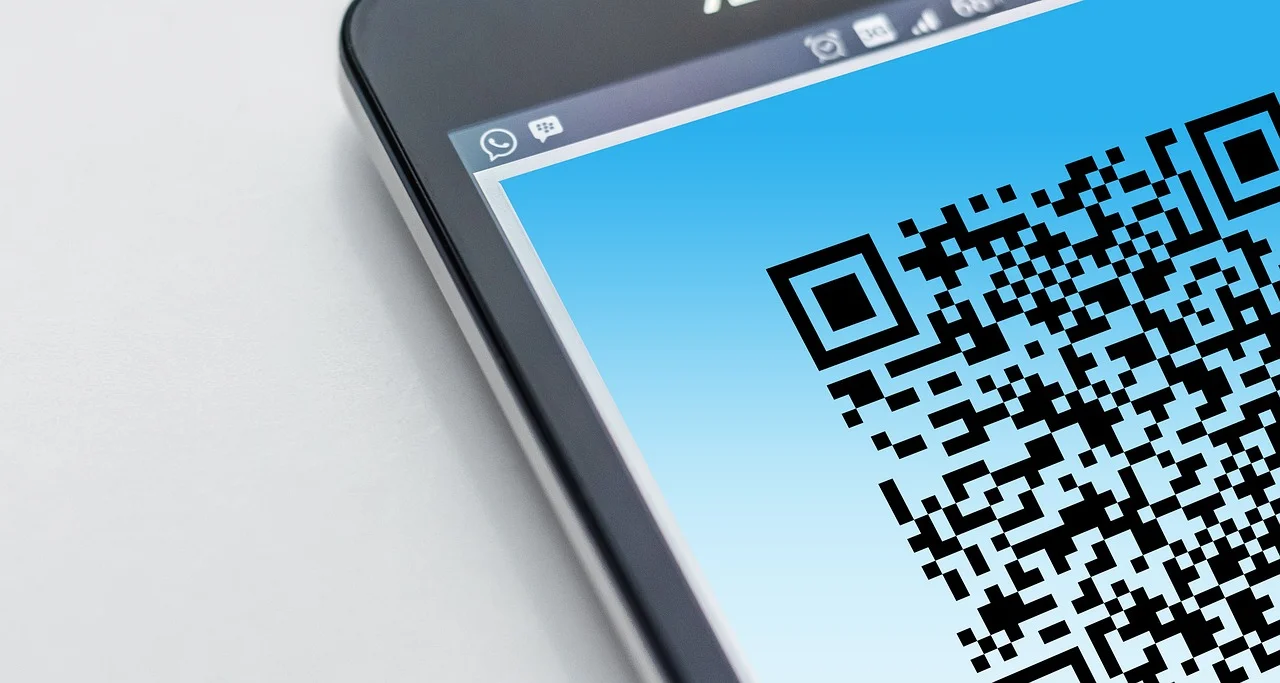
How to scan a QR code? This is a question more and more people are asking, wanting to quickly pay at a store, download an app, or visit a website without typing out long addresses. QR codes have become a natural part of everyday life – we see them in restaurants, on flyers, in banking, and even on invoices. In this article, we’ll clearly explain how to scan a QR code step by step, what tools you can use, and why this technology has gained so much popularity.
What exactly is a QR code, and why is it worth using?
A QR code is a graphic way of storing data, which unlike a traditional barcode, holds information in two dimensions. This means it can store much more – it might include a website link, payment details, text, or a digital business card. By scanning it with a smartphone, a user is instantly directed to a specific action, without having to manually enter data.
The popularity of QR codes surged during the pandemic, when restaurants and stores used them for contactless menus or payments. Today, this technology has firmly embedded itself into e-commerce and financial services. Thanks to QR codes, the entire process of shopping or paying becomes simpler, faster, and more secure, which is appreciated by both customers and merchants.
Can you withdraw cash from a credit card – what you should know before using this option
How to scan a QR code using your smartphone?
The easiest way to scan a QR code is to use your phone’s camera. Most modern smartphones have a built-in feature that automatically recognizes QR codes – simply open the camera app and point it at the code. In a moment, a notification should pop up on the screen with a link or action you can confirm.
On older phones, you might need a separate scanning app. You can easily find free apps by searching “QR scanner” in the Google Play Store or App Store. After installing, just open the app and point the camera at the code. It’s a quick and convenient solution that anyone can learn in just a few minutes.
What should you watch out for when scanning QR codes?
While QR codes themselves are secure, there are cases where they’ve been misused for dishonest purposes. That’s why before you click a link that appears after scanning, always carefully check the address. If something seems suspicious, it’s better not to open the site and instead verify it manually in your browser.
Also avoid scanning codes from questionable sources – such as random stickers at bus stops or unknown flyers, which might lead to phishing sites. A good practice is to use your phone’s built-in function or a trusted app that tells you what URL the code leads to before actually opening the page.
How do QR codes make payments easier, and how do fintech companies do it?
QR codes are increasingly being used for instant payments. In many online stores and also in traditional retail, you can pay by simply scanning a code displayed on a payment terminal or in an app. The transfer details fill in automatically, and you confirm the transaction with a single click.
Seamless and Secure: The Future of Card-to-Card Money Transfers
Modern payment platforms like Fenige.com integrate QR payments with e-commerce and point-of-sale systems so the whole process is intuitive for customers and completely secure. This gives merchants yet another convenient tool for handling transactions, and buyers can be sure their data is protected. It’s an especially valuable solution at a time when consumers increasingly value speed and minimal contact with physical terminals or cash.
How else can you use QR scanning in everyday life?
QR codes aren’t just for payments. With them, you can instantly download an app, add someone to your contacts, or even connect to Wi-Fi without manually typing a password. Digital business cards in QR form are also becoming more common, letting you easily share a phone number and email.
In companies, QR codes are used to track packages, identify products, or quickly share marketing materials. This shows how versatile this tool is – and how worthwhile it is to learn to use it not only in your private life, but also in business.
Knowing how to scan QR codes is now one of the basic digital skills, saving time and simplifying many processes – from online shopping, to payments, to managing documents at work. Thanks to the growing number of solutions like QR payment systems offered by Fenige.com, this technology is becoming more accessible and user-friendly than ever. Don’t be afraid to use it – it’s a small step that can make your daily life in the digital world much easier.