



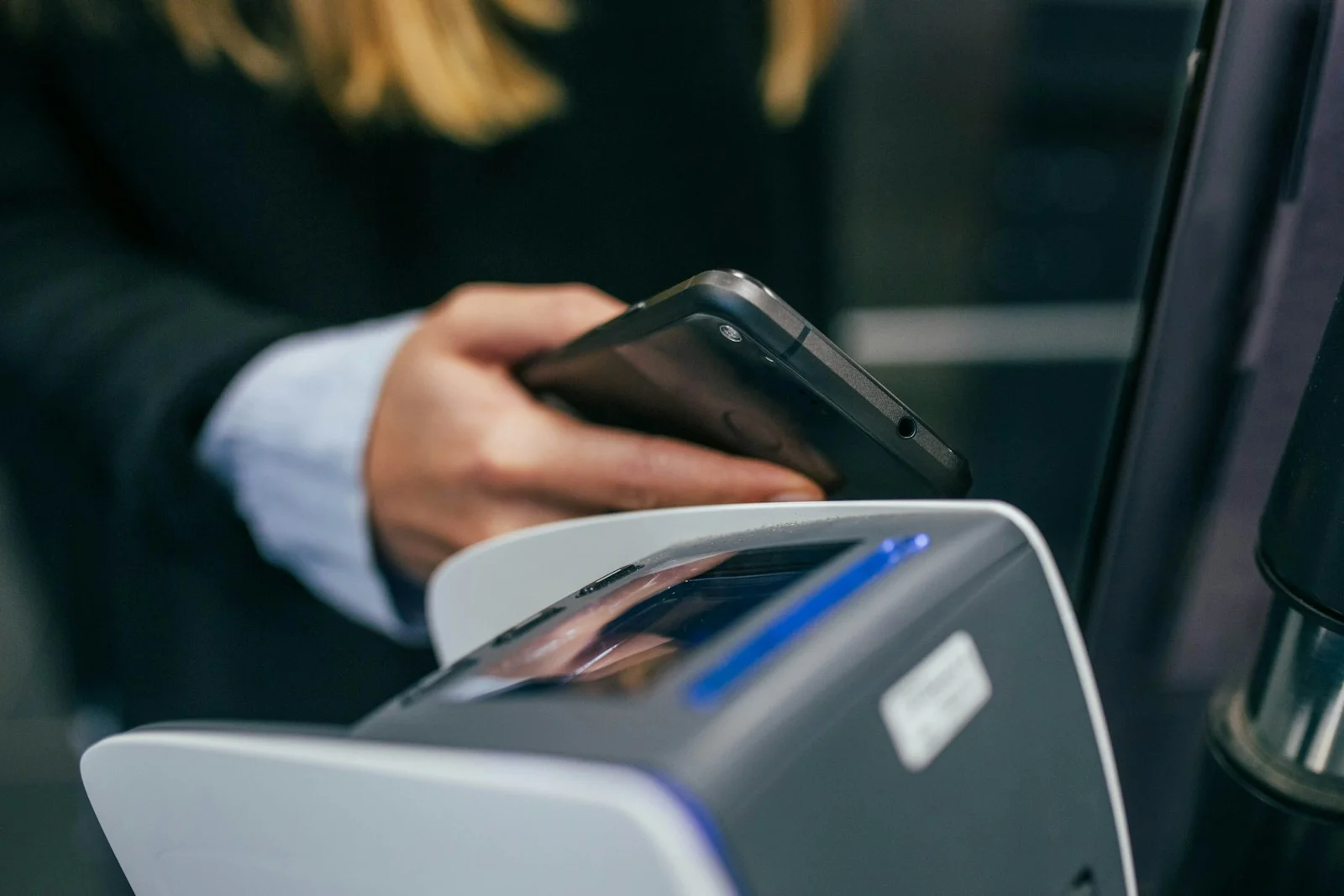
Online selling, peer-to-peer transactions, and instant payments have become part of everyday business – but they also come with risks. One increasingly common scam involves buyers sending fake payment confirmations in an attempt to trick sellers into shipping goods before any money has actually been transferred. So how can you protect yourself? And more importantly, how can you check if a payment confirmation is real? In this guide, we explain the key methods, warning signs, and best practices.
Why are fake payment confirmations so dangerous?
In today’s digital world, creating a fake transfer confirmation is surprisingly easy. With basic PDF or image editing tools, fraudsters can generate highly realistic-looking screenshots or documents that mimic genuine bank confirmations. The seller, thinking the transfer was successful, ships the product – and only later realizes no money ever arrived.
That’s why it’s critical for anyone who sells products or services – especially online – to know how to verify whether a payment has really been made.
How to check if a payment confirmation is real: 6 proven tips
Here are the most reliable ways to determine whether a payment confirmation is genuine or potentially fraudulent:
Cash payment – limit in 2024. Check how much it is!
1. Log into your online banking account
This is the most accurate and reliable method. Don’t rely on what the customer sends you–check your bank account directly to see if the funds have actually arrived. If the money isn’t there, the transaction isn’t complete.
2. Check the transaction status
Many fake confirmations show vague or misleading messages like “payment initiated” or “submitted for processing.” These do not mean the payment has been completed. Look for terms like “completed,” “executed,” or “settled” – these indicate that the transfer has actually gone through.
3. Verify all details carefully
Fake documents often contain subtle errors: an incorrect IBAN, typos in the recipient’s name, missing bank information, or unusual date formats. Even small discrepancies should raise suspicion.
4. Ask for a bank-generated PDF confirmation
Most banking apps allow users to download official PDF confirmations, which often include a digital signature or timestamp from the bank. These are much harder to forge than screenshots or copied emails.
5. Check the file properties and formatting
If you receive a PDF, open it in a proper PDF viewer and inspect whether text fields (like amount, account number) are selectable – this can reveal if the file was manually edited. Look out for inconsistencies in fonts, alignment, or layout.
6. Contact the bank or payment provider (if necessary)
While a bank won’t confirm another person’s transaction, they can tell you what legitimate confirmations look like and whether certain formats or statements are authentic. Don’t be fooled by a professional-looking document – it’s the details that matter.
Send money online. What to know about international money transfer?
When should you be extra cautious?
Fraudsters often strike when sellers are under time pressure or eager to close a sale. Be especially careful in these situations:
- The buyer insists on fast shipping and says, “I’ve already sent the money”;
- The transaction takes place via marketplaces like Facebook, OLX, or Gumtree;
- The buyer refuses to send a proper confirmation directly from their bank;
- You receive a suspicious-looking attachment or link, which could also be phishing.
How to protect yourself in the future?
The best defense is to follow a simple rule: always confirm the funds have been credited to your account before shipping anything. Even if the buyer seems trustworthy, don’t treat a transaction as complete until the money is there.
You can also:
- Enable SMS or push notifications for incoming payments;
- Use instant payment methods (e.g., BLIK, card links, or verified payment gateways);
- Work with trusted payment providers like PayU, Fenige, or Przelewy24, which confirm transactions in real time;
- Train your staff never to act on screenshots alone.
Summary: Trust your bank, not the screenshot
In an age where payment scams are becoming increasingly sophisticated, your responsibility as a seller is to verify transactions thoroughly. Remember: if someone truly sent you money, it will appear in your bank account–not just in an attachment. Use the right tools, stay alert, and never rush under pressure. It’s better to double-check than to lose both your goods and your payment.